
How to Make a Herbal Tincture
A herbal tincture is a concentrated liquid extract made by soaking herbs in alcohol to draw out their active compounds. This traditional method creates a long-lasting and easy-to-use preparation that can be taken in small amounts.
Read the guide below to learn how to make a herbal tincture step-by-step.
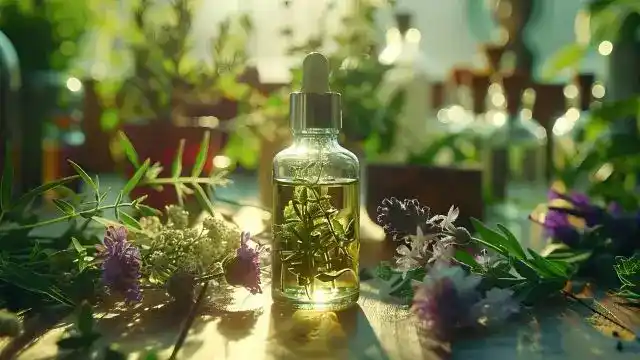
What Is a Herbal Tincture?
A herbal tincture is a concentrated liquid extract made by soaking plant material in alcohol over time. This process draws out active compounds from the plant, creating a long-lasting and easy-to-use herbal preparation.
Tinctures have been used for centuries in traditional herbal practices and are valued for their potency, convenience, and long shelf life.
Why Use a Tincture?
Tinctures are one of the most efficient ways to preserve and use herbs. Compared to teas or infusions, they are more concentrated and require only small amounts.
They are commonly used because they:
- Have a long shelf life (often several years)
- Are easy to store and travel with
- Deliver concentrated plant compounds
- Can be taken quickly without preparation
- Allow flexible dosing in small amounts
What You Need
To make a herbal tincture at home, you only need a few simple ingredients and tools:
- Fresh or dried herbs
- Alcohol (typically 80–100 proof vodka or similar)
- A clean glass jar with a tight lid
- A label for dating and identification
- A strainer or cheesecloth
- A dark glass dropper bottle for storage
Choosing Fresh vs Dried Herbs
Both fresh and dried herbs can be used, but they behave slightly differently:
- Fresh herbs contain water, so higher-proof alcohol is often preferred
- Dried herbs are more concentrated and commonly used for tinctures
- Fresh herbs are ideal when the plant is recently harvested
- Dried herbs are more stable and easier to measure consistently
Tincture Ratios (Simple Guide)
Tinctures are typically made using a ratio of herb to alcohol:
- Fresh herbs: 1 part herb to 2 parts alcohol (1:2)
- Dried herbs: 1 part herb to 5 parts alcohol (1:5)
This does not need to be exact for home preparation, but keeping approximate ratios helps ensure consistency.
Step-by-Step: How to Make a Herbal Tincture
1. Prepare the Herb
Chop fresh herbs or lightly crush dried herbs to increase surface area.
2. Fill the Jar
Place the herb into a clean glass jar, filling it about halfway (for dried) or up to two-thirds (for fresh).
3. Add Alcohol
Pour alcohol over the herb until it is fully submerged, leaving a little space at the top.
4. Seal and Label
Close the jar tightly and label it with the herb name and date.
5. Store and Shake
Store in a cool, dark place and shake gently every few days.
6. Wait
Allow the mixture to infuse for 4–6 weeks.
7. Strain
Strain through cheesecloth or a fine strainer, pressing out as much liquid as possible.
8. Bottle
Transfer the finished tincture into a dark glass bottle for storage.
How to Use a Tincture
Tinctures are typically taken in small amounts, often diluted in water or tea.
Common ways to use tinctures include:
- Adding drops to water or juice
- Blending into herbal formulas
- Using as part of daily herbal routines
- Applying externally in some traditional preparations
Storage and Shelf Life
When stored properly, tinctures can last for several years.
- Keep in a cool, dark place
- Use dark glass bottles to protect from light
- Label clearly with the date and contents
Alcohol acts as a natural preservative, helping maintain potency over time.
Final Thoughts
Herbal tinctures are one of the most versatile and long-lasting ways to work with plants. Once you understand the basic process, they are simple to make and can be adapted to a wide range of herbs and traditional uses.