
What is a Herbal Powder and How to Make One
A herbal powder is made by drying and grinding plant material into a fine, consistent texture. This simple method preserves the whole herb in a concentrated and versatile form that can be used in a variety of preparations.
Read the guide below to learn how to make a herbal powder step-by-step.
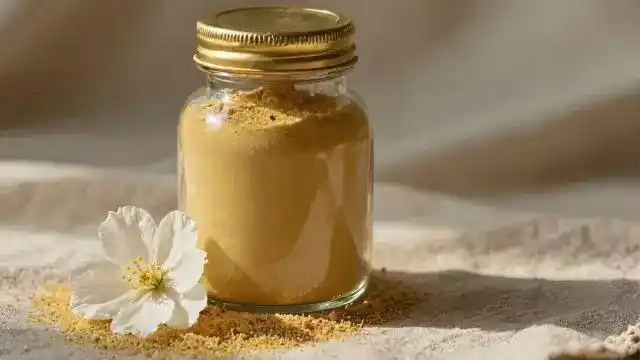
What Is a Herbal Powder?
A herbal powder is made by drying plant material and grinding it into a fine, consistent texture. This method preserves the whole herb in a concentrated, easy-to-use form.
Herbal powders have been traditionally used for both internal and external preparations and are valued for their versatility and long shelf life.
Why Use Herbal Powders?
Herbal powders are a simple and practical way to work with dried plants.
They are commonly used because they:
- Retain the whole plant material
- Are easy to store and transport
- Can be added to foods, drinks, or capsules
- Allow flexible use in different preparations
- Have a long shelf life when stored properly
What You Need
To make herbal powder at home:
- Fully dried herbs
- A grinder (such as a spice grinder or mortar and pestle)
- A fine sieve (optional, for consistency)
- A clean, dry container for storage
Choosing the Right Herbs
Not all herbs are equally suited to powdering. The best results come from plants that dry well and grind easily.
Common choices include:
- Leaves (such as nettle or mint)
- Roots (such as ginger or turmeric, fully dried)
- Seeds and spices
- Flowers that dry thoroughly
Avoid herbs that retain moisture or become sticky, as they may not store well.
Best Herbs for Herbal Powders
1. Dry the Herb Completely
Ensure the plant material is fully dry. Any remaining moisture can lead to spoilage.
2. Break Into Smaller Pieces
Crumble or chop the dried herb into smaller pieces before grinding.
3. Grind
Use a grinder or mortar and pestle to turn the herb into a fine powder.
4. Sift (Optional)
Pass the powder through a fine sieve to remove larger particles and improve consistency.
5. Store
Transfer the powder to a clean, airtight container.
How to Use Herbal Powders
Herbal powders can be used in a variety of ways:
- Mixed into water, smoothies, or juices
- Encapsulated for convenient use
- Added to foods or recipes
- Used in topical preparations such as pastes
Storage and Shelf Life
Proper storage is important to maintain quality:
- Store in an airtight container
- Keep in a cool, dry place away from light
- Use within 6–12 months for best freshness
Exposure to moisture or air can reduce quality over time.
Final Thoughts
Herbal powders are one of the simplest ways to preserve and use plants. With minimal equipment and preparation, they offer a flexible and long-lasting option for working with a wide range of herbs.
Step-by-Step: How to Make Herbal Powder
1. Dry the Herb Completely
Ensure the plant material is fully dry. Any remaining moisture can lead to spoilage.
2. Break Into Smaller Pieces
Crumble or chop the dried herb into smaller pieces before grinding.
3. Grind
Use a grinder or mortar and pestle to turn the herb into a fine powder.
4. Sift (Optional)
Pass the powder through a fine sieve to remove larger particles and improve consistency.
5. Store
Transfer the powder to a clean, airtight container.
How to Use Herbal Powders
Herbal powders can be used in a variety of ways:
- Mixed into water, smoothies, or juices
- Encapsulated for convenient use
- Added to foods or recipes
- Used in topical preparations such as pastes
Storage and Shelf Life
Proper storage is important to maintain quality:
- Store in an airtight container
- Keep in a cool, dry place away from light
- Use within 6–12 months for best freshness
Exposure to moisture or air can reduce quality over time.
Final Thoughts
Herbal powders are one of the simplest ways to preserve and use plants. With minimal equipment and preparation, they offer a flexible and long-lasting option for working with a wide range of herbs.