
How to Make an Herbal Oil Infusion
A herbal oil infusion is a preparation made by soaking herbs in a carrier oil so that the oil absorbs the plant’s aromatic and traditional topical qualities. These infused oils are widely used in home herbalism as the base for salves, balms, massage oils, and other skin-focused preparations.
This guide explains what a herbal oil infusion is, which herbs are commonly chosen, how to select a suitable carrier oil, and how to prepare infused oil using slow, practical home methods. It also covers moisture control, storage, and signs that an oil should be discarded.
For USA readers making topical herbal products at home, herbal oil infusions are one of the most useful foundational preparations because they can later be turned into many other remedies and body-care formulas.
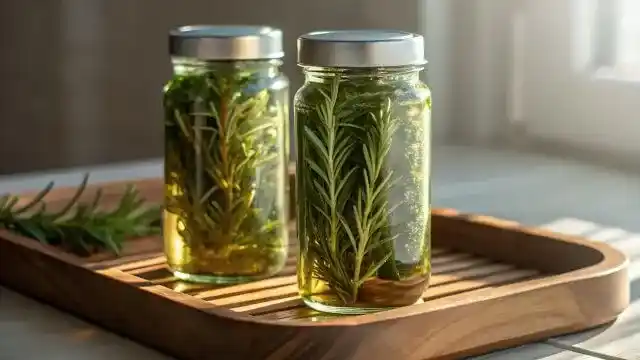
What Is a Herbal Oil Infusion?
A herbal oil infusion is created when plant material is steeped in a fixed oil such as olive oil, sunflower oil, sweet almond oil, or jojoba. Over time, the oil takes on constituents from the herb that are suited to oil-based extraction.
Unlike a tea infusion, this method does not use water. Instead, it creates an oil preparation intended mainly for external use in creams, salves, balms, body oils, and similar topical applications.
Why Make Herbal Infused Oils?
Infused oils are popular because they are versatile, simple to make, and useful as a base ingredient for many homemade herbal products.
They are often made because they:
- Provide a traditional way to prepare herbs for topical use
- Can be used directly as massage or body oils
- Form the base of salves, balms, and ointment-style preparations
- Allow you to combine the properties of the herb with a chosen carrier oil
- Are easy to customize for different skin-care goals and herbal traditions
- Can be made in small batches with simple kitchen equipment
Best Herbs for Herbal Oil Infusions
Many herbs are well suited to oil infusion, especially those traditionally prepared for skin and external body-care use. Dried herbs are often preferred because they reduce the risk of spoilage from trapped moisture.
- Calendula (Calendula officinalis) – one of the best-known herbs for infused oils
- Plantain (Plantago spp.) – commonly included in simple household topical oils
- Chamomile (Matricaria chamomilla) – gentle and aromatic
- Lavender (Lavandula angustifolia) – fragrant and widely used in body oils
- Comfrey (Symphytum officinale) – traditionally infused for external applications
- Rose petals (Rosa spp.) – often used in lighter cosmetic-style oil preparations
- St. John’s wort (Hypericum perforatum) – known for producing a richly colored infused oil
- Arnica (Arnica spp.) – commonly prepared as an oil for external use only
Fresh herbs can be used in some cases, but they should be wilted or handled carefully so excess moisture does not remain in the jar.
Choosing the Right Oil and Equipment
- Olive oil – classic, stable, and widely used for salves and body oils
- Sunflower oil – lighter in feel and commonly used in skin care
- Sweet almond oil – smooth and popular in massage blends
- Jojoba – technically a liquid wax, valued for cosmetic applications
- Coconut oil – useful in some formulas, though solid at cooler room temperatures
What You Need
- Dried herbs or carefully prepared fresh herbs
- A clean, dry glass jar
- Your chosen carrier oil
- A spoon or chopstick for stirring
- Cheesecloth, muslin, or a fine strainer
- A dark glass bottle or clean jar for storage
- Labels with the herb name and date
Make sure all equipment is completely dry before starting. Even small amounts of water can shorten shelf life and increase the risk of spoilage.
Step-by-Step: How to Make an Herbal Oil Infusion
1. Choose and Prepare the Herb
Use dried herbs whenever possible. If using fresh herbs, let them wilt first so surface moisture is reduced.
2. Fill a Clean, Dry Jar
Place the herb in the jar without packing it too tightly. Leave enough room for the oil to move around the plant material.
3. Add the Carrier Oil
Pour oil over the herbs until they are fully covered by at least about 1 inch (2.5 cm). Stir gently to release trapped air.
4. Infuse Slowly
You can use a slow room-temperature method over several weeks or a very gentle warmed method if you are careful not to overheat the oil.
5. Check Coverage
As the herbs settle, make sure they remain under the oil. Add a little more oil if needed.
6. Strain Thoroughly
When the infusion is complete, strain out all plant material using cheesecloth or a fine strainer.
7. Bottle and Label
Transfer the finished oil to a clean, dry bottle or jar and label it with the herb, oil type, and date.
How to Use and Store Herbal Infused Oils
Herbal infused oils are commonly used as the base for many topical products or as simple stand-alone preparations for external use. They can be used directly on the skin if the herb and oil are suitable for that purpose.
- Use them as the base for salves and balms
- Add them to massage oils and body oils
- Blend them into handmade skin-care products
- Keep small jars on hand for simple external household use
Shelf Life and Storage
- Store in a cool, dark place
- Use clean, dry containers only
- Keep lids tightly closed
- Discard if the oil smells rancid, sour, or off
Exact shelf life depends on the carrier oil used, the herb, and how dry and clean the process was. Oils made with drier herbs and more stable carrier oils generally store better than oils made with fresh, moist plant material.
Final Thoughts
A herbal oil infusion is one of the most useful building blocks in home herbal preparations. Once you learn how to make it well, you can use the same basic technique for many different herbs, oils, and topical projects.
Olive oil is one of the most common choices because it is stable, widely available, and works well in many salves and topical oils. Sunflower oil and sweet almond oil are also popular. The best choice depends on whether you want a richer oil for salves, a lighter feel for skin care, or a particular shelf life.
Dried herbs are usually the safer and more predictable option for infused oils because they contain far less moisture. Excess water in the jar can shorten shelf life and raise the chance of spoilage. Fresh herbs can be used in some cases, but they should be wilted and handled carefully so the oil remains as dry as possible.
A room-temperature oil infusion is often left for about 2 to 6 weeks, depending on the herb and method. Some people also use a very gentle warmed method to speed up the process. The key is to avoid overheating the oil and to keep all plant material fully submerged throughout the infusion period.
Herbal infused oil is commonly used as the base for salves, balms, massage oils, and other topical products. It can also be used on its own when a simple oil preparation is preferred. Most infused oils are intended for external use, especially when made with herbs such as arnica or comfrey that are traditionally prepared topically.
An infused oil that has gone bad may smell rancid, sour, stale, or otherwise unpleasant. You may also notice unusual cloudiness, separation, or signs of moisture-related spoilage. If the oil smells off or you are uncertain about its quality, it is best to discard it rather than continue using it.
Yes, infused oil is the classic starting point for a herbal salve. Once the plant material has been strained out, the oil can be gently warmed with beeswax or another thickener to create a salve or balm. This is one of the main reasons many home herbalists keep infused oils on hand.