
How to Make a Herbal Liniment?
A herbal liniment is a liquid preparation made for external use, typically created by infusing herbs in alcohol, vinegar, or oil. Designed to be applied directly to the skin, liniments are valued for their fast absorption and ease of use.
Read the step-by-step guide below to learn how to make a herbal liniment yourself.
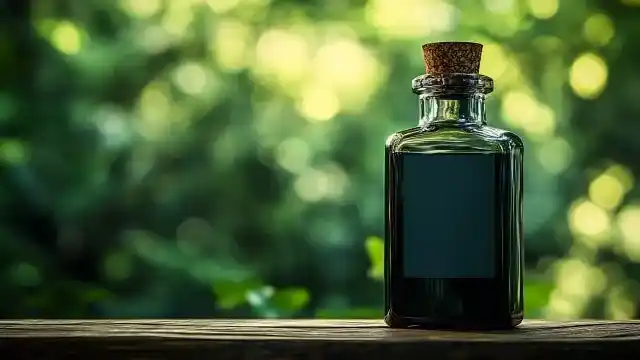
Herbal Liniment Details
A herbal liniment is a liquid herbal preparation made by extracting plant material into a base such as alcohol, vinegar, or oil, and applying it directly to the skin.
Unlike tinctures, which are taken internally, liniments are intended for external use only. They are typically rubbed into the skin, allowing the liquid to absorb quickly.
Liniments have been used in traditional herbal practices as a simple and effective way to apply herbs externally in a concentrated, easy-to-use form.
Why Use a Herbal Liniment?
Herbal liniments are a practical way to work with herbs externally, especially when a liquid preparation is preferred.
They are commonly used because they:
- Are quickly absorbed into the skin
- Are easy to apply and spread over larger areas
- Provide a concentrated herbal preparation
- Can be made with simple ingredients
- Are convenient to store and use
What you Need to Make a Liniment
To make a herbal liniment at home, you will need:
- Fresh or dried herbs
- A liquid base (alcohol, vinegar, or oil)
- A clean glass jar with a tight lid
- A label for dating and identification
- A strainer or cheesecloth
- A glass bottle for storage
Alcohol-based liniments are the most common, as they extract plant compounds efficiently and absorb quickly into the skin.
Step-by-Step: How to Make a Herbal Liniment
1. Prepare the Herb
Chop fresh herbs or lightly crush dried herbs to increase surface area.
2. Fill the Jar
Place the herb into a clean glass jar, filling it about halfway.
3. Add Liquid
Pour your chosen liquid (commonly alcohol or vinegar) over the herb until fully submerged.
4. Seal and Label
Close the jar tightly and label it with the herb name and date.
5. Store and Shake
Store in a cool, dark place and shake gently every few days.
6. Wait
Allow the mixture to infuse for 2–4 weeks.
7. Strain
Strain out the plant material using a fine strainer or cloth.
8. Bottle
Transfer the finished liniment into a clean bottle for storage.
How to Use a Herbal Liniment
Herbal liniments are typically applied directly to the skin and gently rubbed into the desired area.
They are commonly used:
- As part of external herbal routines
- For targeted application to specific areas
- When a fast-absorbing preparation is preferred
Important: Herbal liniments are intended for external use only and should not be taken internally.
Other Methods and Safety
Other Herbal Preparation Methods:
- Infusions for delicate leaves and flowers
- Tinctures for concentrated extracts
- Oil infusions for topical preparations
- Glycerites for alcohol-free liquid extracts
Safety Considerations:
- Herbal liniments are for external use only
- Some herbs may cause skin sensitivity in certain individuals
- A patch test is recommended before wider use
- Avoid applying to broken or irritated skin unless appropriate for the herb
If unsure, consult a qualified healthcare professional.
Final Thoughts:
Herbal liniments are a simple and effective way to apply herbs externally using a fast-absorbing liquid preparation. Easy to make and versatile in use, they provide a practical addition to traditional herbal preparation methods.