
How to Make a Herbal Infusion
Herbal infusions are one of the simplest and most traditional ways to prepare medicinal plants. By steeping leaves, flowers, or soft plant parts in hot water, beneficial compounds are gently extracted to create a soothing and effective herbal tea.
Read the guide below to learn how to make a herbal infusion step-by-step.
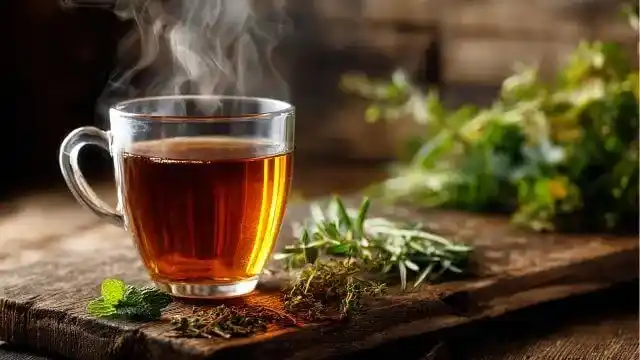
What Is a Herbal Infusion?
A herbal infusion is made by pouring hot water over plant material and allowing it to steep for a period of time. This method is best suited for delicate parts of plants, including:
- Leaves
- Flowers
- Soft stems
Unlike stronger preparations such as decoctions, infusions rely on gentle heat to preserve volatile compounds and subtle plant properties.
Other Types of Herbal Infusions
While this guide focuses on traditional hot water infusions, herbs can also be infused using other mediums depending on the intended use.
- Oil infusions are used to extract plant properties into carrier oils for topical use
- Glycerite infusions use vegetable glycerin to create alcohol-free liquid extracts
- Alcohol tinctures provide a more concentrated and long-lasting preparation
Each method serves a different purpose and may be more suitable depending on the herb and desired outcome. You could also consider making a Cold Herbal Extract depending on the herbs that you are using.
When to Use an Infusion
Infusions are typically used when working with soft, aromatic, or delicate plant materials. They are commonly prepared for:
- Daily herbal teas
- Relaxation and calming routines
- Gentle digestive support
- General wellness practices
Herbs often used in infusions include:
- Chamomile
- Peppermint
- Lemon balm
- Lavender
How to Make a Herbal Infusion (Step-by-Step)
Ingredients:
- 1–2 teaspoons dried herb (or 1–2 tablespoons fresh herb)
- 1 cup (240 ml) hot water
Method:
- Place the herbs into a cup, mug, or teapot.
- Pour freshly boiled water over the herbs.
- Cover the container to retain aromatic compounds.
- Allow to steep for 5–15 minutes depending on the herb.
- Strain and enjoy.
Infusion Time Guide
- Light leaves/flowers: 5–10 minutes
- Stronger leaves: 10–15 minutes
Longer steeping times may produce a stronger flavor and deeper extraction.
Fresh vs Dried Herbs and Tips
Both fresh and dried herbs can be used to prepare infusions:
- Fresh herbs: lighter, more delicate flavor
- Dried herbs: more concentrated and commonly used
As a general guide:
- Use more fresh herb than dried due to lower concentration
Tips for Best Results
- Always cover while steeping to preserve volatile oils
- Use freshly boiled water
- Choose high-quality herbs
- Adjust strength based on taste and preference
Serving, Comparison and Safety
Herbal infusions can be enjoyed both warm and chilled. While traditionally prepared as hot herbal teas, they can also be cooled and served over ice for a refreshing alternative.
Chilled infusions are often prepared using the same method, then allowed to cool before refrigerating. Some herbs, such as peppermint, hibiscus, and lemon balm, are especially popular when served cold.
Infusion vs Decoction
- Infusion: used for soft plant parts (leaves, flowers)
- Decoction: used for harder materials (roots, bark), simmered for longer
Safety Considerations
- Individual herbs may have specific safety considerations
- Some herbs may not be suitable during pregnancy or alongside certain medications
- Always ensure correct plant identification before use
If unsure, consult a qualified healthcare professional.
Final Thoughts
Learning how to make a herbal infusion is one of the most accessible ways to begin working with medicinal plants. Simple, adaptable, and deeply rooted in tradition, infusions remain a cornerstone of herbal preparation and everyday natural wellness.