
How to Make an Alcohol Free Extract (Glycerite)
An alcohol free extract, often called a glycerite, is a liquid herbal preparation made by extracting plant material in vegetable glycerin, usually with some water. It offers a sweet taste, a smooth texture, and a practical option for people who prefer not to use alcohol-based tinctures.
This guide explains what a glycerite is, how it differs from a tincture, which herbs are best suited to glycerin extraction, and how to make one step by step at home. It also covers equipment, storage, and realistic expectations for strength and shelf life.
For many home herbalists in the USA, glycerites are especially useful for family-friendly formulas, small-batch kitchen preparations, and herbs that benefit from a pleasant-tasting liquid format.
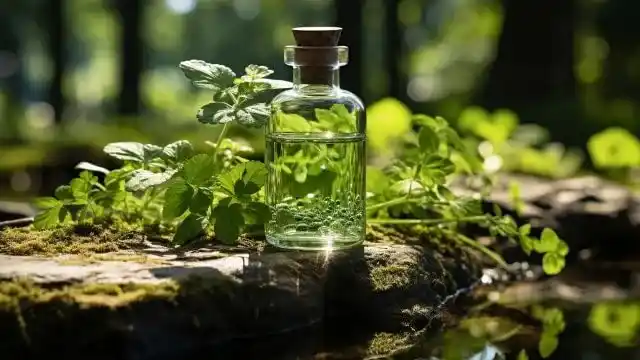
What Is an Alcohol Free Extract?
An alcohol free extract is a concentrated herbal liquid made without спирits or other alcoholic solvents. In home herbal practice, this usually means a glycerite, which uses vegetable glycerin as the primary extracting liquid.
Glycerin is naturally sweet and syrupy, so glycerites are often easier to take than alcohol-based tinctures. They are commonly used when a milder flavor and an alcohol-free option are preferred.
Why Choose a Glycerite Instead of a Tincture?
Glycerites are often chosen for practical and taste-related reasons rather than because they fully replace every tincture. They can be a very good fit in certain situations.
They are often preferred because they:
- Avoid alcohol completely
- Have a naturally sweet taste that is easier for many people to take
- Work well in small, family-style herbal preparations
- Can be useful for herbs with a pleasant, aromatic, or gently soothing profile
- Blend easily into a little water, tea, or other liquids
- Offer a convenient option for people who simply do not want tinctures
That said, glycerin does not extract every herb in the same way as alcohol, so the best method depends on the plant and the goal of the preparation.
Best Herbs for Alcohol Free Extracts
Some herbs are more suitable for glycerites than others. Aromatic herbs, gently soothing herbs, and herbs traditionally used in family-style preparations often work especially well in this format.
- Lemon balm (Melissa officinalis) – mild tasting and commonly chosen for pleasant glycerites
- Chamomile (Matricaria chamomilla) – widely used in gentle herbal preparations
- Holy basil (Ocimum tenuiflorum) – aromatic and easy to combine in blends
- Rose (Rosa spp.) – fragrant and especially suited to sweet liquid preparations
- Licorice root (Glycyrrhiza glabra) – naturally sweet and often included in formulas
- Elderberry (Sambucus nigra) – commonly used in seasonal family preparations
- Ginger (Zingiber officinale) – warming and flavorful in small amounts
- Fresh milky oats (Avena sativa) – sometimes prepared in non-alcohol forms depending on the intended use
Very resinous, dense, or highly water-sensitive materials may be less ideal for a simple homemade glycerite, so herb choice matters.
What You Need Before You Start
- Vegetable glycerin – choose food-grade glycerin
- Water – usually mixed with glycerin rather than using glycerin alone
- Dried or fresh herbs – depending on the recipe and herb selected
- A clean glass jar with a tight-fitting lid
- A scale or measuring cups for consistency
- A spoon or chopstick for stirring and removing air pockets
- A strainer, cheesecloth, or nut milk bag
- A dark glass dropper bottle or labeled jar for storage
A Common Glycerin Ratio
Many home glycerites use a mixture of about 3 parts vegetable glycerin to 1 part water. This keeps the liquid easier to pour and improves extraction compared with using straight glycerin by itself.
If you are using dried herbs, consistency is easier to control because the moisture level is more predictable than with fresh plant material.
Step-by-Step: How to Make an Alcohol Free Extract
1. Choose the Herb
Select a herb that is well suited to glycerin extraction and decide whether you are using it fresh or dried.
2. Prepare the Solvent
Combine vegetable glycerin with water. A 3:1 glycerin-to-water blend is a common starting point for home use.
3. Fill the Jar
Place the herb into a clean glass jar. If using dried herbs, leave room for them to expand once the liquid is added.
4. Cover Completely
Pour the glycerin mixture over the herb until everything is fully covered. Stir well and remove trapped air bubbles.
5. Cap, Label, and Infuse
Label the jar with the herb name, solvent ratio, and date. Store it in a cool location and shake it regularly during the infusion period.
6. Wait and Strain
After about 2–6 weeks, strain well through cheesecloth or a fine filter, pressing out as much liquid as possible.
7. Bottle and Store
Transfer the finished glycerite to a clean bottle or jar, label it clearly, and store it away from heat and direct sunlight.
When to Use a Glycerite and How to Store It
Glycerites are often used when an alcohol-free herbal liquid is preferred, when taste matters, or when a home herbalist wants a simple small-batch extract that can be taken by the dropperful or mixed into a little water.
- They are often chosen for gentle household preparations
- They may be easier to take than tinctures because of their sweet taste
- They work well for aromatic and milder herbs
- They are useful when an alcohol-free option is part of the goal
Shelf Life and Storage
Homemade glycerites usually have a shorter and more variable shelf life than properly made alcohol tinctures.
- Store in a cool, dark place
- Use clean tools when handling the liquid
- Label every bottle with the herb and date
- Watch for changes in smell, color, or texture
A well-made glycerite may last for several months, but exact shelf life depends on the herb, the water content, storage conditions, and cleanliness during preparation.
Final Thoughts
An alcohol free extract can be a very practical herbal preparation when taste, flexibility, and ease of use matter. It is not identical to a tincture, but for the right herbs it can be a useful part of a home herbal toolkit.
A glycerite is an alcohol free herbal extract made primarily with vegetable glycerin, while a tincture is usually made with alcohol. Glycerites tend to taste sweeter and are often chosen when alcohol is not wanted. Tinctures usually have a longer shelf life and may extract some herbs more efficiently depending on the plant material.
Yes, dried herbs are often a very good choice for homemade glycerites because their moisture level is more predictable than fresh herbs. This makes it easier to control the solvent ratio and reduce the risk of excess water in the final preparation. Many home herbalists find dried herbs simpler for consistent small-batch extracts.
Many glycerites work better when vegetable glycerin is mixed with some water rather than used completely on its own. Straight glycerin is very thick, which can make extraction slower and less even. A common home approach is to use about 3 parts glycerin to 1 part water, though exact ratios can vary.
A common infusion window for a homemade glycerite is about 2 to 6 weeks. The exact time can vary depending on the herb, whether it is fresh or dried, and how finely it was cut. Regular shaking and complete coverage of the herb can help make the extraction more even over time.
Glycerites are often especially suitable for aromatic, pleasant-tasting, and gently soothing herbs such as lemon balm, chamomile, rose, and elderberry. Herbs that are extremely resinous, woody, or difficult to extract may be less ideal for a simple home glycerite. Choosing the right herb makes a big difference in the final result.
Store a glycerite in a clean, tightly sealed bottle or jar away from direct light, heat, and moisture. Label it with the herb name and the date it was strained. Because shelf life can vary, it is wise to check for changes in smell, appearance, or texture before continued use, especially with homemade preparations.