
Cold Herbal Extracts Explained
A cold herbal extract is made by soaking herbs in a liquid at room temperature or cooler rather than using heat. This gentle method is often used to preserve delicate compounds and is especially well suited to certain soothing or mucilaginous herbs.
Read the guide below to learn how to make a cold herbal extract yourself.
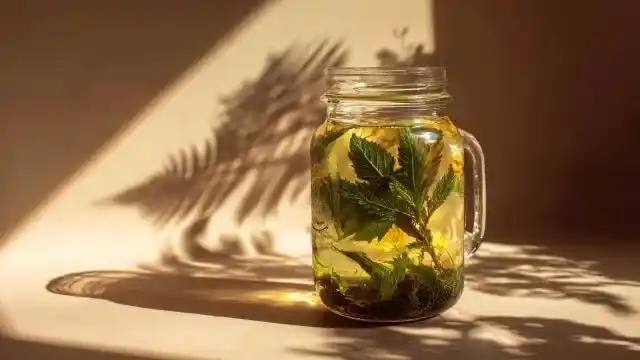
What is a Cold Herbal Extract?
A cold herbal extract is made by soaking plant material in a liquid at room temperature or cooler, rather than using heat. This slower process gently draws out certain compounds that may be damaged or altered by high temperatures.
Cold extraction is commonly used for delicate herbs, mucilaginous plants, and situations where a milder preparation is preferred.
Why Use Cold Extraction?
Cold extracts offer a gentler alternative to hot infusions and decoctions. They are especially useful when working with herbs that contain sensitive or soothing compounds.
They are commonly used because they:
- Help preserve heat-sensitive plant compounds
- Extract mucilage and soothing plant constituents
- Produce a mild, gentle preparation
- Can be more suitable for sensitive individuals
- Require minimal equipment
Common Liquids Used + Herbs Suited to Cold Extraction
Cold herbal extracts can be made using different base liquids depending on the intended use:
- Water – for simple cold infusions
- Glycerin – for alcohol-free extracts
- Alcohol (room temperature) – for certain slow extractions
- Oil – for topical preparations over longer periods
Examples of Herbs Suited to Cold Extraction
Some herbs are particularly well suited to cold extraction, especially those containing delicate or soothing compounds that may be reduced by heat.
- Cleavers (Galium aparine) – best used fresh and traditionally prepared as a cold infusion
- Marshmallow root (Althaea officinalis) – rich in mucilage, which extracts better in cold water
- Slippery elm (Ulmus rubra) – contains soothing compounds that are preserved with gentle extraction
- Violet leaf (Viola spp.) – a delicate, cooling herb often suited to mild preparations
- Flaxseed (Linum usitatissimum) – produces a gel-like mucilage when soaked in cold water
- Chia seeds (Salvia hispanica) – form a mucilaginous gel when soaked, demonstrating cold extraction properties
Step-by-Step: How to Make a Cold Herbal Extract
1. Choose Your Herb
Select herbs suited to cold extraction, such as those known for soothing or mucilaginous properties.
2. Prepare the Herb
Lightly chop or crush the plant material to increase surface area.
3. Add to a Jar
Place the herb into a clean glass jar.
4. Add Liquid
Pour your chosen liquid over the herb until fully covered.
5. Cover and Rest
Seal the jar and leave it at room temperature.
6. Wait
Allow the mixture to infuse for 8–24 hours (water) or longer for glycerin or oil preparations.
7. Strain
Strain out the plant material using a fine strainer or cloth.
When to Use Cold Extraction + Cold Extract vs Hot Infusion
Cold extraction is often chosen when working with:
- Delicate flowers or leaves
- Herbs rich in mucilage
- Preparations intended to be gentle or soothing
- Situations where heat is not desired
Cold Extract vs Hot Infusion
- Cold extracts are slower and gentler
- Hot infusions extract compounds more quickly
- Cold methods preserve certain compounds that heat may alter
- Hot methods are better for tougher or more robust plant material
Storage and Shelf Life
Shelf life depends on the liquid used:
- Water-based extracts should be used within 1–2 days and kept refrigerated
- Glycerin extracts can last several months
- Oil-based extracts may last several months if stored properly
Always store in clean, sealed containers and label clearly.
Final Thoughts
Cold herbal extracts are a simple and gentle way to work with plants, especially when preserving delicate compounds is important. While slower than heat-based methods, they offer a unique approach that complements other herbal preparations.