

Sage Essential Oil

Sage Essential Oil is an aromatic oil obtained from Salvia officinalis, a plant in the Lamiaceae (mint family) native to The Mediterranean region, especially Southern Europe. It is valued for a traditional Mediterranean herb oil with a strong, savory, and camphoraceous profile and is used in aromatherapy, perfumery, and carefully diluted body blends.

Traditionally, sage essential oil has been used to scent rooms, support daily wellness rituals, and add its characteristic aroma to massage oils, baths, sprays, and personal fragrance. It is commonly chosen for herbal room fragrance, warming body oils, and strong garden-inspired aromatic blends.

Common sage is distinct from clary sage and other related species, with a much drier, more savory character that makes it especially suited to robust herbal blends rather than soft florals.

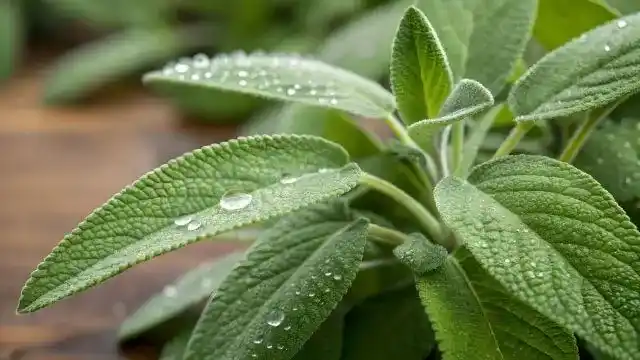
Essential Oil Uses

Common Uses

  • Aromatherapy: Diffuse in small amounts for a strong herbal atmosphere with Mediterranean character.
  • Massage oil (diluted): Blend into low-dilution body oils with pine or lavender for a warm garden-herb scent.
  • Room sprays: Add to room sprays or household blends when a clean savory herb note is desired.
  • Seasonal blends: Use in cooler-weather diffuser blends with conifers and citrus oils.
  • Natural perfume: Include in herbal or aromatic fougère-style blends where a dry sage note is wanted.

Targeted Uses

  • Herbal clarity: Often chosen when a room blend should feel sharp, structured, and strongly botanical.
  • Garden-inspired fragrance: Useful in compositions that aim to smell like a warm herb garden.
  • Cool-weather home aromas: Pairs well with pine and citrus for fresh winter herbal blends.
  • Warming body blends: Commonly included in massage oils where a dry, savory note adds depth.

Aromatic Profile

Sage essential oil has warm, herbaceous, and camphoraceous with dry green depth and a distinctly savory edge.

  • Scent family: Herbaceous, camphoraceous, and warm
  • Fragrance notes: Dry sage leaves, warm herbs, subtle camphor, and a resinous savory finish
  • Similar to: Rosemary, mugwort, and oregano, though common sage is often drier and more savory than rosemary and less hot than oregano

“Sage has long been counted among the household herbs of highest esteem, its fragrance both savory and strong.”

— Adapted from traditional Mediterranean herb writings

Sage Essential Oil Preparation Methods

Sage Essential Oil can be prepared in several ways:


Topical Application

Dilute sage essential oil carefully before applying to the skin and keep concentrations low, often around 0.5–1% for general body blends. Because common sage can be strong, it is usually used as part of a more balanced formula.

Remedies: Coming soon body oil and massage blend recipes with sage essential oil.

Diffuser

Add 1–3 drops to a diffuser with companion oils such as pine, lime, or lavender. Sage is usually blended rather than diffused heavily on its own.

Remedies: Coming soon diffuser blends with sage essential oil.

Bath

Blend 1–2 drops into a dispersant or carrier oil before adding to warm bathwater. Smaller amounts are usually enough because sage has a concentrated savory aroma.

Remedies: Coming soon bath ideas with sage essential oil.

Room Spray

Use in household sprays where a fresh herb-garden tone is wanted, especially in kitchens or entryways.

Remedies: Coming soon room spray recipes with sage essential oil.


Safety Considerations

Common sage essential oil is a strong herbal oil that is best used thoughtfully and in modest amounts.

However, because it may contain thujone-rich compounds, conservative use is generally recommended.

  • Always dilute before applying to the skin and keep topical use relatively low.
  • Patch test before first use and avoid applying to very sensitive skin.
  • Avoid contact with eyes, inner ears, and mucous membranes.
  • Sage essential oil is generally approached cautiously during pregnancy and breastfeeding.
  • Use small amounts in diffusers, especially in enclosed spaces or around scent-sensitive individuals.
  • Do not use around young children without appropriate professional guidance.
  • Diffuse around pets only in well-ventilated rooms where they can leave freely.
  • This information is for educational purposes only and is not medical advice.
Image Disclaimer: Images are for reference only and should not be used as the sole method of identification. Always confirm identification with a qualified source.
Frequently Asked Questions
What is sage essential oil used for?

Sage essential oil is commonly used in low-dose diffuser blends, herbal room sprays, and warming body oils where a dry savory aroma is wanted. It is valued more for strong herbal character than for soft floral blending.

What does sage essential oil smell like?

Sage essential oil smells dry, herbaceous, warm, and slightly camphoraceous, with a savory garden-herb edge that is very different from sweeter mint-family oils.

Is sage essential oil the same as clary sage?

No. Common sage and clary sage come from different species and have different aromatic profiles. Common sage is more savory and camphoraceous, while clary sage is generally softer, sweeter, and more tea-like.

Can sage essential oil be diffused?

Yes, but usually in small amounts. Sage is often blended with pine, lime, or lavender so the overall aroma feels fresher and more balanced.

What oils blend well with sage?

Sage blends well with pine, frankincense, lime, lavender, and spearmint. These pairings can make it feel brighter, greener, or more grounded.

Why is sage essential oil used cautiously?

Sage essential oil is often used cautiously because it can be quite strong and some common sage oils may contain thujone-rich compounds. For that reason, lower doses and thoughtful use are typically recommended.

Sage Essential Oil Benefits and How to Use

Essential Oil Overview

  • Botanical name: Salvia officinalis
  • Plant part used: Leaves
  • Extraction method: Steam distillation
  • Aroma profile: Warm, herbaceous, and camphoraceous with dry green depth and a distinctly savory edge
  • Aroma note: Middle note
  • Key components: Thujone, Camphor, 1,8-Cineole, Borneol
  • Top benefits:
    • Adds depth and structure to herbal diffuser blends
    • Supports warming body oil formulas when used in low dilution
    • Creates a robust garden-herb atmosphere in room blends
    • Pairs well with conifers, citrus, and resins for cooler-season aromas

Types Available

Common sage oil (Salvia officinalis)
Dalmatian sage oil
Spanish sage oil
Greek sage oil