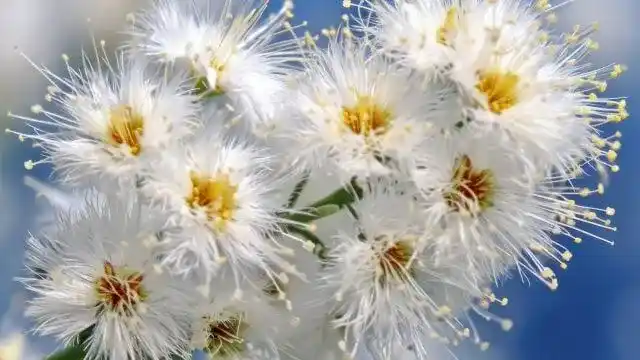
Kanuka Oil (Kunzea ericoides) is an essential oil obtained from the leaves and branch tips of a plant in the Myrtaceae family native to New Zealand. It is known for its fresh, herbaceous, and lightly sweet with tea tree-like clarity and a soft woody finish and is traditionally used in aromatherapy, body care, and home fragrance blends.
In traditional and modern aromatic practice, kanuka oil is commonly chosen for supports soothing skin care routines for reactive or blemish-prone skin, freshens the air with a clean, green myrtle-family aroma, and creating a more balanced atmosphere. Depending on the oil, it may be used in diffusers, massage oils, room sprays, bath rituals, or carefully diluted personal care blends.
Its characteristic scent profile makes it especially useful in blends where both aroma and function matter, and it is often paired with complementary citrus, floral, woody, or herbal oils to shape a more rounded finished blend.
Essential Oil Overview
Botanical name:Kunzea ericoides
Plant part used: Leaves and branch tips
Extraction method: Steam distillation
Aroma profile: Fresh, herbaceous, and lightly sweet with tea tree-like clarity and a soft woody finish
This blend is often used in a diffuser or diluted body oil when a fresh, calm, and clean aromatic profile is preferred.
Common Uses
Skincare: Add in low dilution to facial and body oils for reactive, blemish-prone, or rough-looking skin.
Diffuser: Use for a fresh, clean room aroma that is softer than tea tree.
Massage oil: Blend into body oils intended for tired muscles after activity.
Spot blends: Use in highly diluted targeted skin applications.
Shower steam: Add to a washcloth or shower edge for a fresh herbal burst.
Targeted Uses
Skin support: Commonly used in natural skincare for unsettled, blemish-prone, or weather-stressed skin.
Fresh room atmosphere: Often diffused when a cleaner, greener scent is preferred over heavy florals or sweet citrus.
Body recovery: Frequently paired with woods and herbs in massage blends for post-exercise comfort.
Tea tree alternative: Chosen by some aromatherapists when they want a gentler aromatic profile.
“Kanuka is appreciated for bringing freshness and steadiness without the sharper edge found in some stronger cleansing oils.”
— Traditional New Zealand aromatic practice
Preparation Methods
Kanuka Oil can be prepared in several ways:
Topical Application
Dilute kanuka oil in 1 oz (30 mL) of carrier oil before applying to the skin. A 1–2% dilution is suitable for many body oils, while more reactive oils may be best kept closer to 0.5–1% for cautious use.
Remedies:Coming soon body oils and targeted blends with kanuka oil.
Diffuser
Add 3–5 drops to a diffuser filled according to the manufacturer’s directions. For a lighter room scent, begin with fewer drops and increase gradually until the aroma feels balanced rather than overpowering.
Blend 3–5 drops into 1 tbsp (15 mL) carrier oil or 1 cup (240 mL) unscented bath salts before adding to warm bath water. Never add undiluted essential oil directly to the bath.
Remedies:Coming soon bath and soak recipes with kanuka oil.
Room and Linen Use
For room or linen use, combine 10–15 drops with 2 oz (60 mL) alcohol or solubilizer-based spray in a small bottle, then top with water and shake well before each use.
Remedies:Coming soon room sprays and home fragrance recipes.
Safety Considerations
Kanuka oil is often viewed as approachable and versatile, but it still benefits from proper dilution and thoughtful use.
However, essential oils are concentrated aromatic materials and should always be used thoughtfully, with attention to dilution, individual sensitivity, and the context of use.
Dilute before topical use; 1–2% is a sensible range for facial and body applications.
Patch test before wider skin use, especially if skin is reactive or compromised.
Avoid contact with eyes, inner ears, and mucous membranes.
Use caution during pregnancy, breastfeeding, or with very young children unless advised by a qualified professional.
Do not over-diffuse in small rooms; even fresh oils can become overwhelming in excess.
Use carefully around pets and provide plenty of ventilation.
This information is for educational purposes only and is not medical advice. Individuals with health concerns, medication use, pregnancy, or other special circumstances should consult a qualified healthcare professional before therapeutic use.
Image Disclaimer: Images are for reference only and should not be used as the sole method of identification. Always confirm identification with a qualified source.
Frequently Asked Questions
What is kanuka oil used for?
Kanuka Oil is commonly used in aromatherapy for supports soothing skin care routines for reactive or blemish-prone skin, freshens the air with a clean, green myrtle-family aroma, and shaping a room or body blend with its distinctive aroma. It is most often found in diffusers, massage oils, room sprays, and carefully diluted personal care formulas.
What does kanuka oil smell like?
Kanuka smells green, fresh, and softly woody with a tea tree-like cleanness. Compared with tea tree, it is often described as smoother and less medicinal.
What part of the plant is used to make kanuka oil?
Kanuka Oil is typically produced from the leaves and branch tips through steam distillation. This plant part is chosen because it holds the aromatic compounds that give the oil its characteristic scent and traditional aromatic use profile.
What is Kanuka oil commonly compared with?
Kanuka oil is often compared with tea tree because both come from aromatic Australasian plants and are used in similar practical body-care and diffuser contexts. Even so, Kanuka usually smells softer, sweeter, and less medicinal than tea tree. That gentler aromatic profile is one reason it is often chosen when a blend needs a fresh herbal note without such a sharp edge.
What does Kanuka oil smell like?
Kanuka oil has a fresh, clean, herbaceous aroma with subtle sweet, resinous, and slightly woody nuances. It is often described as gentler and rounder than tea tree, with less of a piercing medicinal note. This makes it useful in both practical home blends and more refined aromatic formulas where a smoother herbal profile is preferred.
What should you look for when buying Kanuka oil?
Look for the full botanical name, origin, and ideally batch or distillation details, because Kanuka is strongly associated with New Zealand production and can sometimes be confused with related native oils. A good Kanuka oil should smell clean, balanced, and gently herbal rather than harsh or overly turpentine-like. Clear sourcing information is especially helpful with this oil.
Kanuka Oil (Kunzea ericoides) is an essential oil obtained from the leaves and branch tips of a plant in the Myrtaceae family native to New Zealand. It is known for its fresh, herbaceous, and lightly sweet with tea tree-like clarity and a soft woody finish and is traditionally used in aromatherapy, body care, and home fragrance blends.
In traditional and modern aromatic practice, kanuka oil is commonly chosen for supports soothing skin care routines for reactive or blemish-prone skin, freshens the air with a clean, green myrtle-family aroma, and creating a more balanced atmosphere. Depending on the oil, it may be used in diffusers, massage oils, room sprays, bath rituals, or carefully diluted personal care blends.
Its characteristic scent profile makes it especially useful in blends where both aroma and function matter, and it is often paired with complementary citrus, floral, woody, or herbal oils to shape a more rounded finished blend.
Aromatic Profile
Kanuka oil is green, clean, and softly woody with a tea tree-like freshness that feels smoother and less harsh.
Scent family: Herbaceous and fresh-woody.
Fragrance notes: Clean green leaf, soft wood, and a mildly sweet myrtle-family finish
Similar to: Tea tree and manuka, but gentler, sweeter, and less medicinal
Common Uses
Skincare: Add in low dilution to facial and body oils for reactive, blemish-prone, or rough-looking skin.
Diffuser: Use for a fresh, clean room aroma that is softer than tea tree.
Massage oil: Blend into body oils intended for tired muscles after activity.
Spot blends: Use in highly diluted targeted skin applications.
Shower steam: Add to a washcloth or shower edge for a fresh herbal burst.
Targeted Uses
Skin support: Commonly used in natural skincare for unsettled, blemish-prone, or weather-stressed skin.
Fresh room atmosphere: Often diffused when a cleaner, greener scent is preferred over heavy florals or sweet citrus.
Body recovery: Frequently paired with woods and herbs in massage blends for post-exercise comfort.
Tea tree alternative: Chosen by some aromatherapists when they want a gentler aromatic profile.
“Kanuka is appreciated for bringing freshness and steadiness without the sharper edge found in some stronger cleansing oils.”
— Traditional New Zealand aromatic practice
Preparation Methods
Kanuka Oil can be prepared in several ways:
Topical Application
Dilute kanuka oil in 1 oz (30 mL) of carrier oil before applying to the skin. A 1–2% dilution is suitable for many body oils, while more reactive oils may be best kept closer to 0.5–1% for cautious use.
Remedies:Coming soon body oils and targeted blends with kanuka oil.
Diffuser
Add 3–5 drops to a diffuser filled according to the manufacturer’s directions. For a lighter room scent, begin with fewer drops and increase gradually until the aroma feels balanced rather than overpowering.
Blend 3–5 drops into 1 tbsp (15 mL) carrier oil or 1 cup (240 mL) unscented bath salts before adding to warm bath water. Never add undiluted essential oil directly to the bath.
Remedies:Coming soon bath and soak recipes with kanuka oil.
Room and Linen Use
For room or linen use, combine 10–15 drops with 2 oz (60 mL) alcohol or solubilizer-based spray in a small bottle, then top with water and shake well before each use.
Remedies:Coming soon room sprays and home fragrance recipes.
Safety Considerations
Kanuka oil is often viewed as approachable and versatile, but it still benefits from proper dilution and thoughtful use.
However, essential oils are concentrated aromatic materials and should always be used thoughtfully, with attention to dilution, individual sensitivity, and the context of use.
Dilute before topical use; 1–2% is a sensible range for facial and body applications.
Patch test before wider skin use, especially if skin is reactive or compromised.
Avoid contact with eyes, inner ears, and mucous membranes.
Use caution during pregnancy, breastfeeding, or with very young children unless advised by a qualified professional.
Do not over-diffuse in small rooms; even fresh oils can become overwhelming in excess.
Use carefully around pets and provide plenty of ventilation.
This information is for educational purposes only and is not medical advice. Individuals with health concerns, medication use, pregnancy, or other special circumstances should consult a qualified healthcare professional before therapeutic use.
Image Disclaimer: Images are for reference only and should not be used as the sole method of identification. Always confirm identification with a qualified source.
Frequently Asked Questions
What is kanuka oil used for?
Kanuka Oil is commonly used in aromatherapy for supports soothing skin care routines for reactive or blemish-prone skin, freshens the air with a clean, green myrtle-family aroma, and shaping a room or body blend with its distinctive aroma. It is most often found in diffusers, massage oils, room sprays, and carefully diluted personal care formulas.
What does kanuka oil smell like?
Kanuka smells green, fresh, and softly woody with a tea tree-like cleanness. Compared with tea tree, it is often described as smoother and less medicinal.
What part of the plant is used to make kanuka oil?
Kanuka Oil is typically produced from the leaves and branch tips through steam distillation. This plant part is chosen because it holds the aromatic compounds that give the oil its characteristic scent and traditional aromatic use profile.
What is Kanuka oil commonly compared with?
Kanuka oil is often compared with tea tree because both come from aromatic Australasian plants and are used in similar practical body-care and diffuser contexts. Even so, Kanuka usually smells softer, sweeter, and less medicinal than tea tree. That gentler aromatic profile is one reason it is often chosen when a blend needs a fresh herbal note without such a sharp edge.
What does Kanuka oil smell like?
Kanuka oil has a fresh, clean, herbaceous aroma with subtle sweet, resinous, and slightly woody nuances. It is often described as gentler and rounder than tea tree, with less of a piercing medicinal note. This makes it useful in both practical home blends and more refined aromatic formulas where a smoother herbal profile is preferred.
What should you look for when buying Kanuka oil?
Look for the full botanical name, origin, and ideally batch or distillation details, because Kanuka is strongly associated with New Zealand production and can sometimes be confused with related native oils. A good Kanuka oil should smell clean, balanced, and gently herbal rather than harsh or overly turpentine-like. Clear sourcing information is especially helpful with this oil.
Essential Oil Overview
Botanical name:Kunzea ericoides
Plant part used: Leaves and branch tips
Extraction method: Steam distillation
Aroma profile: Fresh, herbaceous, and lightly sweet with tea tree-like clarity and a soft woody finish