
What Are Essential Oils? A Beginner-Friendly Explanation
Essential oils are concentrated aromatic extracts obtained from different plant materials such as flowers, leaves, peels, wood, resin, bark, or roots. They capture the plant’s characteristic scent and are typically used in aromatics, perfumery, household products, and personal care blends.
For beginners, the world of essential oils can seem confusing because the bottles are small, the aromas are strong, and the terminology is often technical. This guide explains what essential oils are in plain language, how they differ from infused oils and fragrances, and why they are used in such small amounts.
Whether you are curious about lavender, peppermint, lemon, or frankincense, understanding the basics first makes later topics such as safety, dilution, storage, and blending much easier to follow.
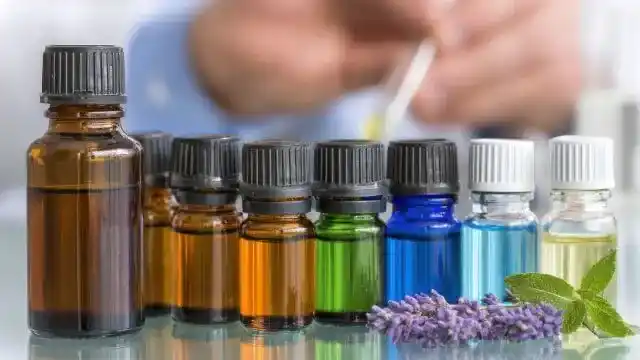
What Essential Oils Actually Are
An essential oil is not a fatty oil like olive oil or sunflower oil. It is a concentrated aromatic extract made from plant material using methods such as steam distillation or cold pressing.
Because these extracts are concentrated, they are usually sold in small bottles such as 0.17 oz (5 mL), 0.34 oz (10 mL), or 0.5 oz (15 mL). A little goes a long way compared with most kitchen or body oils.
Why Essential Oils Smell So Strong
Essential oils contain volatile aromatic compounds, which means they evaporate readily and are easy to smell. That is why opening even a small bottle can quickly fill the space around you with scent.
- Some oils smell light and bright, such as citrus oils
- Some smell herbaceous or medicinal, such as rosemary or eucalyptus
- Some smell rich and resinous, such as frankincense or myrrh
- Some smell floral and soft, such as lavender or geranium
Where Essential Oils Come From
Different parts of the plant can produce very different oils.
- Peels – lemon, orange, bergamot
- Leaves – tea tree, eucalyptus, patchouli
- Flowers – lavender, ylang ylang, neroli
- Wood – cedarwood, sandalwood
- Resin – frankincense
- Roots or rhizomes – ginger, vetiver
The plant part matters because it shapes the aroma, extraction method, and common use profile of the oil.
How People Commonly Use Essential Oils
Most home use falls into a few broad categories.
- Diffusion for room aroma
- Topical blends when diluted into carrier oils
- Bath and body products made with appropriate care
- Home fragrance such as room sprays and linen mists
- Blending and perfumery practice using top, middle, and base notes
What Essential Oils Are Not
- They are not the same as infused oils made by soaking herbs in a fatty oil.
- They are not plain fragrance oils.
- They are not automatically suitable for undiluted use.
Beginner Checklist: How to Approach Essential Oils
1. Start with understanding, not collecting
Learn what the oil is and how it is typically used before buying many bottles.
2. Read the label carefully
Look for the common name, botanical name, and bottle size.
3. Learn the extraction method
Knowing whether an oil is distilled or cold pressed helps you understand its character.
4. Begin with a few versatile oils
Many beginners start with oils such as lavender, lemon, peppermint, tea tree, or sweet orange.
5. Learn safety early
Understanding dilution and storage makes later use much easier.
Why This Foundation Matters
When people misunderstand what essential oils are, they often confuse them with herbal oils, synthetic fragrances, or ready-to-use body products. That leads to poor expectations and unnecessary mistakes.
A Practical Perspective
Think of essential oils as concentrated plant aroma materials. They are versatile, but they are usually best used in small amounts and with an understanding of the format.
Final Thoughts
Once you understand what essential oils are, the rest of the subject becomes more intuitive: extraction explains the material, storage protects it, safety guides use, and blending helps you work with aroma more creatively.
No. Essential oils are concentrated aromatic extracts, while carrier oils are fatty oils used to dilute them for topical blends. Jojoba, sweet almond, and fractionated coconut oil are common carriers. The two are often used together, but they are different materials with different roles.
Not at all. Many essential oils come from leaves, peels, bark, wood, roots, seeds, or resin. In fact, some of the most familiar oils, such as lemon, tea tree, cedarwood, and frankincense, come from plant parts other than flowers.
They are sold in small bottles because they are concentrated and usually used by the drop. A 0.34 oz (10 mL) bottle can still go a long way in room sprays, diffuser use, or diluted body blends. Their intensity makes large-volume use unnecessary for most households.
They can be part of natural perfumery, but they are not simply perfume in bottle form. Essential oils are raw aromatic materials from plants. Some smell beautiful on their own, while others are sharp, earthy, or intense and are better appreciated when blended with other oils.
An infused oil is usually made by soaking plant material in a fatty oil such as olive or jojoba oil. An essential oil is a concentrated aromatic extract obtained through methods like steam distillation or cold pressing. They differ in texture, strength, aroma, and use.
No. Only certain plants produce extractable aromatic materials in a way that results in essential oils. Even among aromatic plants, the yield may be low, the extraction method may vary, and the usable part of the plant can differ widely from one species to another.