
How to Use Essential Oils Safely (Complete Beginner Guide)
Essential oil safety is the practice of using concentrated aromatic plant extracts carefully, with attention to dilution, application method, age, sensitivity, and product quality. Because essential oils are highly concentrated, even small amounts can matter.
This beginner guide explains how to use essential oils more safely in everyday situations, including topical use, diffusion, storage, patch testing, and common mistakes to avoid. It is designed to give readers a practical foundation before they start blending, applying, or diffusing oils at home.
For U.S. readers shopping online or in stores, this article also helps you make sense of bottle sizes, labels, and typical household uses without making unrealistic claims or overcomplicating the basics.
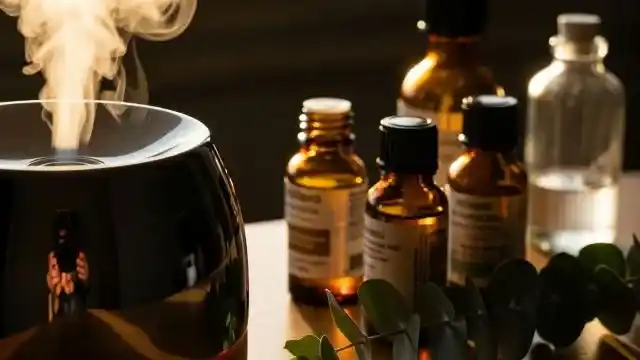
What Essential Oil Safety Really Means
Essential oil safety is not about avoiding essential oils altogether. It is about understanding that these materials are potent, concentrated, and better used thoughtfully than casually.
A safe approach usually involves choosing an appropriate oil, using a suitable amount, selecting the right method, and avoiding unnecessary exposure. For most beginners, that means starting slowly, diluting properly, and resisting the urge to use large amounts just because a product is natural.
Core Safety Rules Every Beginner Should Know
If you are new to aromatics, a few basic rules will prevent many common problems.
- Dilute before skin use rather than applying most oils neat.
- Patch test new blends before broader topical use.
- Use fewer drops than you think; more is not automatically better.
- Avoid contact with eyes, lips, and other sensitive areas.
- Ventilate the room when diffusing.
- Store bottles tightly closed away from light and heat.
- Keep oils away from children and pets unless you have checked the specific safety considerations.
Common Mistakes That Cause Problems
Many issues happen because essential oils are used like casual fragrances instead of concentrated extracts.
- Applying undiluted oils repeatedly to the same area
- Adding too many drops to a bath without dispersing them first
- Diffusing in a small closed room for long periods
- Using citrus oils on skin before sun exposure
- Assuming every oil is suitable for children, pregnancy, or sensitive skin
- Buying old, oxidized, or poorly stored oils and expecting them to behave normally
How to Choose the Right Method
Different methods suit different situations.
- Diffusion is often used for room aroma and short, occasional sessions.
- Topical use is usually best with a carrier oil such as jojoba, sweet almond, or fractionated coconut oil.
- Bath use requires extra care because oils do not mix with water on their own.
- Room sprays are useful for home fragrance but still need sensible drop counts and appropriate surfaces.
What to Check on the Label
- Common name and botanical name
- Bottle size, often 0.17 oz (5 mL), 0.34 oz (10 mL), or 0.5 oz (15 mL)
- Extraction method when relevant
- Storage or caution notes
- Lot details or freshness information when available
Step-by-Step: A Safer Beginner Routine
1. Start with one gentle oil
Choose something widely used by beginners, such as lavender or sweet orange, and learn how it behaves before buying many bottles.
2. Pick one use method
Topical use, diffusion, or a room spray is easier to learn than trying everything at once.
3. Dilute correctly
Measure into a carrier oil rather than estimating directly on skin.
4. Patch test
Apply a small amount to a limited area first and wait before broader use.
5. Observe the environment
Use shorter sessions in small homes, apartments, shared rooms, or around sensitive household members.
6. Store properly
Close the cap firmly and keep the bottle in a cool, dry, dark place.
When to Be Extra Cautious
Extra caution is sensible when using essential oils around children, older adults, pets, or anyone with very reactive skin or scent sensitivity. The same applies when a product will be used repeatedly rather than occasionally.
Storage and Shelf Life Basics
- Citrus oils often need especially careful storage because they can oxidize faster.
- Heat, light, and frequent air exposure can shorten freshness.
- Dark glass bottles and tightly closed caps help protect quality.
Final Thoughts
Safe essential oil use starts with restraint, not intensity. A modest amount, a suitable method, and good storage habits usually produce a better experience than overusing strong oils or complicated blends.
In most cases, yes. Essential oils are concentrated and are usually better applied in a carrier oil rather than directly on skin. Dilution helps spread the oil more evenly and reduces the chance of irritation, especially for beginners, frequent use, or more reactive skin areas.
Many people diffuse essential oils regularly, but shorter, occasional sessions are usually a better starting point than constant diffusion. Room size, ventilation, household sensitivity, and the oil being used all matter. It is usually wiser to begin with small amounts and see how the space feels.
Not by themselves. Essential oils do not blend evenly into bath water, so undiluted drops can sit on the surface and contact skin directly. A better approach is to use a properly diluted bath product or a suitable dispersing base rather than adding neat drops to the tub.
Different oils contain different aromatic constituents, and those differences affect how they behave on skin, in the air, and during storage. Some are gentler and easier for beginners, while others are more intense, more reactive, or less suitable for frequent use in shared household settings.
Store them in tightly closed bottles away from heat, direct light, and moisture. A cool cabinet or drawer works well for many households. Good storage helps preserve aroma, reduce oxidation, and keep the oils from being accidentally accessed by children or knocked over in busy areas.
One of the most common mistakes is using too much. Beginners often assume more drops will work better, but concentrated oils rarely need large amounts. Starting with a low drop count, proper dilution, and one simple method is usually a safer and more useful approach.