
How to Use Essential Oils in a Bath (Without Irritation)
Using essential oils in a bath sounds simple, but it is one of the easiest places for beginners to make mistakes. Because essential oils do not disperse evenly in plain water, neat drops added straight to the tub can stay concentrated and come into direct contact with the skin.
This guide explains how to use essential oils in a bath more thoughtfully, including why dilution and dispersal matter, which oils are often approached more cautiously, and what alternatives can help create a more comfortable bath experience.
If you enjoy bath rituals at home, understanding the difference between a well-made bath product and a few random drops in water will make a big difference to the final result.
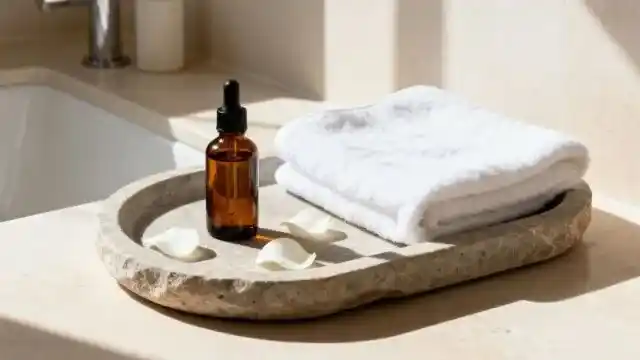
Why Bath Use Is Different
Bath water may look like it should dilute everything automatically, but essential oils and water do not combine evenly on their own. That means drops can float on the surface or cling to certain areas instead of dispersing throughout the tub.
For this reason, bath use usually needs more preparation than diffusion or a standard diluted body oil.
Safer Ways to Add Essential Oils to a Bath
- Use a properly formulated bath product designed to disperse oils
- Blend essential oils first into a suitable base rather than adding neat drops directly to water
- Keep total drop counts modest
- Choose oils that feel gentle and familiar rather than intense blends for your first try
Oils and Situations That Need More Caution
Some oils are more likely to feel intense in warm water, especially if they are stimulating, strongly aromatic, or commonly approached with extra skin caution.
- Citrus oils may need extra thought if skin will later be exposed to the sun
- Very cooling or warming oils can feel stronger in a bath setting
- Strongly aromatic oils can become overwhelming in a small bathroom
That is one reason gentle drop counts and simple blends are so useful.
What You Need for an Essential Oil Bath
- A bathtub with comfortably warm rather than overly hot water
- A suitable dispersing or blending base
- A small number of essential oil drops
- A towel and post-bath moisturizer or body oil if desired
Common Mistakes
- Adding neat drops straight into the tub
- Using too many drops
- Choosing strong oils for the first attempt
- Assuming bath water alone is enough to dilute them
Step-by-Step: How to Prepare a Bath Blend
1. Choose a simple oil or blend
Start with a familiar, gentle aroma rather than an intense mix.
2. Prepare the essential oil in a suitable base
Do this before it ever reaches the tub.
3. Run the bath water
Warm, comfortable water is usually more pleasant than excessively hot water.
4. Add the prepared bath mixture
Distribute it into the bath while the water is moving.
5. Enter carefully and observe
If the blend feels too strong, shorten the bath and adjust next time.
When Bath Use Makes Sense
Bath use suits people who enjoy a ritual format and want aroma paired with a warm soak rather than a diffuser or topical roller. It can be a pleasant occasional method, but it is not automatically the simplest or safest beginner technique unless it is prepared correctly.
Beginner Tip
If you are unsure, start with a diluted post-bath body oil instead. That often gives a more predictable experience.
Final Thoughts
Essential oils can be part of a bath routine, but they need more care than their small bottle size suggests. Thoughtful preparation usually matters more than the number of drops.
That is usually not the best approach. Essential oils do not mix evenly with plain water, so neat drops can stay concentrated and contact skin directly. A better option is to use a suitable bath product or dispersing base rather than dropping essential oils straight into the tub.
Warm water, enclosed bathroom space, and direct skin contact can all intensify the experience. Even oils that feel mild in a diffuser may feel much stronger in a bath setting. That is why bath use usually benefits from lower drop counts and more deliberate preparation.
Many people prefer softer, familiar oils for bath use, especially when starting out. Lavender and other gentle-feeling aromas are often chosen over sharper, hotter, or more stimulating oils. Simpler blends also tend to be easier to assess than complex combinations in warm water.
Not necessarily. Many beginners assume baths are straightforward, but they often require more care than diffusion or a diluted body oil. Because water does not evenly disperse essential oils, bath use can actually be one of the trickier home methods unless the formula is prepared properly.
Usually no. More drops do not automatically create a better bath and can make the experience unnecessarily strong. A modest amount in a suitable base generally produces a more comfortable result than large drop counts added without any real dispersal plan.
A diluted body oil, body balm, or room diffuser used before the bath can be easier to control. Those methods still let you enjoy aromatic oils without relying on bath water to handle a concentrated material that does not naturally disperse on its own.