
How to Use Essential Oils in a Diffuser (Best Practices & Mistakes)
Using essential oils in a diffuser is one of the most common ways beginners explore aromatics at home. A diffuser disperses tiny aromatic particles into the air, allowing the scent to fill a room without needing topical application.
This guide explains how to use essential oils in a diffuser more effectively, including how many drops to start with, how room size changes the experience, and which habits help avoid overly strong or wasteful diffusion. It is meant to be practical, not fussy.
For many homes in the U.S., diffusers are used in bedrooms, living rooms, offices, and entryways, so this post also focuses on real-life home settings rather than idealized studio conditions.
What a Diffuser Does
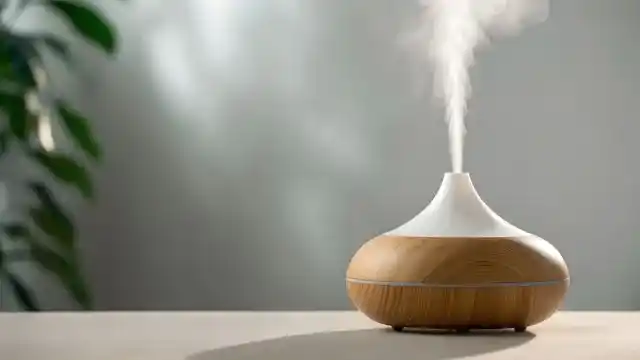
A diffuser is designed to disperse essential oil aroma through the air in a room. Depending on the type, it may use water, ultrasonic vibration, heat, or passive evaporation, but ultrasonic water diffusers are among the most common for home use.
Diffusion is usually favored when people want ambient scent without applying oils directly to skin.
How Many Drops to Use
Beginners often use too many drops. In most cases, starting modestly gives a cleaner, more comfortable result.
- Small room or desk diffuser – start low
- Medium room – use a moderate drop count
- Larger open area – adjust gradually rather than doubling immediately
The right amount depends on the oil, the diffuser reservoir, the room size, and how strong you want the aroma to feel.
Best Oils and Blend Styles for Diffusers
Some oils diffuse especially well because their aroma opens quickly in the air.
- Citrus oils for bright, fresh blends
- Lavender for calm, familiar floral-herbal scent
- Peppermint for a crisp, cooling profile
- Eucalyptus for a clean, airy aroma
- Cedarwood or frankincense for deeper grounding blends
Balanced blends often combine a fresh top note with a softer middle or base note.
Common Diffuser Mistakes
- Adding too many drops at once
- Running the diffuser constantly without breaks
- Ignoring room ventilation
- Using strong oils in very small rooms
- Neglecting regular cleaning
What You Need
- A clean diffuser
- Fresh water if using an ultrasonic model
- One essential oil or a simple blend
- A room with reasonable airflow
Step-by-Step: How to Diffuse Essential Oils
1. Fill the diffuser to the recommended line
Do not overfill the reservoir.
2. Add a small number of drops
Start lighter than you think you need, especially with strong oils.
3. Turn it on for a short session
Shorter sessions are a practical way to test intensity.
4. Evaluate the room
Walk back into the room after a few minutes and notice whether the aroma feels pleasant or too heavy.
5. Adjust gradually
Add only a little more next time if needed.
6. Clean the diffuser regularly
Residue can affect performance and muddle the scent over time.
When Diffusion Works Best
Diffusion is especially useful when you want room fragrance without putting oil on skin or fabric. It suits entryways, living spaces, work areas, and evening wind-down routines when used sensibly.
A Note on Shared Spaces
In shared homes, apartments, or offices, lighter diffusion is often more considerate and more enjoyable than very strong scent output.
Final Thoughts
The best diffuser experience usually comes from restraint: a suitable room, a modest number of drops, and a blend that fits the mood and size of the space.
That depends on the diffuser size, room size, and the oil being used, but beginners usually do better starting with fewer drops rather than more. It is easier to increase intensity on the next session than to correct an overly strong room. Small spaces often need surprisingly little.
It is usually more practical to use shorter sessions instead of nonstop diffusion. Continuous scent can feel heavy over time, especially in smaller rooms or with stronger oils. Intermittent use often gives a more pleasant result and can help you avoid wasting oil unnecessarily.
Many beginners enjoy lavender, citrus oils, peppermint, eucalyptus, and simple blends combining fresh and grounding notes. The best choice depends on the atmosphere you want in the room. Bright oils suit daytime spaces well, while softer or deeper aromas often fit evening routines.
Regular cleaning is important because residue can build up and affect both scent quality and diffuser performance. You may not need a deep clean after every single session, but wiping it out and cleaning on a routine basis keeps blends clearer and the unit working more reliably.
Yes, many people do. A diffuser is often the easiest place to test a simple blend of two or three oils. The key is to keep the drop count modest and the combination balanced so one oil does not overpower the rest or make the room feel too intense.
Reduce the number of drops next time, shorten the session, or use a larger room with better ventilation. Strong oils like peppermint or eucalyptus may need especially light use in small bedrooms or offices. Starting with gentle amounts is usually the best way to avoid that problem.