
How to Store Essential Oils Properly (Shelf Life & Stability)
Proper essential oil storage helps preserve aroma, slow unwanted change, and keep your bottles in better condition over time. Because essential oils are concentrated aromatic materials, they respond to light, heat, and repeated air exposure more than many beginners expect.
This guide explains how to store essential oils more effectively at home, including where to keep them, what bottle types matter, and why some oils need especially careful handling. It is designed for everyday home users, not laboratory storage.
Whether you keep a few favorite oils or a growing collection, good storage habits can make your oils easier to organize, easier to use, and more likely to smell the way they should when you reach for them.
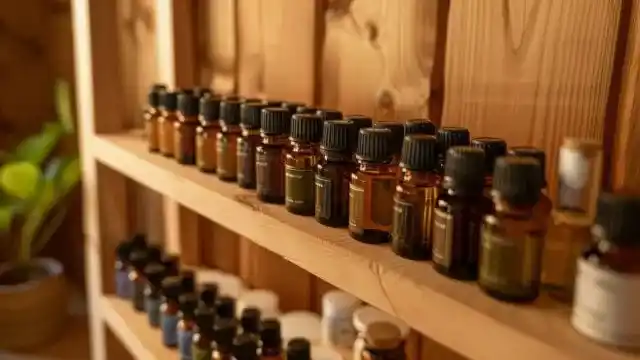
Why Storage Matters
Essential oils are not static. Over time, exposure to light, warmth, oxygen, and repeated opening can alter their aroma and freshness. Good storage helps reduce those stresses and protects both quality and consistency.
In practical terms, proper storage is one of the easiest ways to protect the value of your collection.
The Three Biggest Storage Enemies
- Heat can accelerate unwanted change
- Light can stress oils when bottles are left exposed
- Air exposure increases each time bottles are opened and left uncapped
That is why a cool, dark, stable location is usually a better choice than a sunny bathroom shelf or windowsill.
Best Places to Store Essential Oils
Many households do well with simple, low-light storage options such as:
- A drawer in a bedroom or home office
- A closed cabinet away from the stove or appliances
- A storage box designed for small bottles
- A cool closet shelf with stable conditions
If you have the option, a dedicated or spare refrigerator can provide the most stable environment and help extend shelf life even further, especially for oils that are more sensitive to heat and oxidation.
The goal is to choose a location that stays reasonably cool, shaded, and protected from everyday temperature fluctuations.
Bottle and Cap Tips
- Dark glass bottles help limit light exposure
- Tightly sealed caps reduce air contact
- Clean bottle necks and caps help prevent sticky buildup
- Original bottles are often the simplest storage option
Organization Ideas
- Sort by scent family or purpose
- Group citrus oils separately if you want to monitor freshness more closely
- Label blends clearly with the date made
- Keep unfinished DIY products in their own section
Step-by-Step: A Simple Essential Oil Storage Routine
1. Choose one storage location
Pick a cool, dark place and keep your oils there consistently.
2. Return bottles after use
Do not leave them sitting open on counters or in direct sun.
3. Check caps and bottle necks
Wipe off residue and make sure the bottle closes firmly.
4. Date your blends
Homemade rollers, sprays, and oils are easier to track when labeled.
5. Review your collection periodically
Set aside older oils or anything that no longer smells as expected.
Shelf Life and Freshness Basics
Not all essential oils age in the same way. Citrus oils often receive extra attention because freshness can change faster, while some woods and resins may feel more stable in storage when protected well.
Practical Signs to Watch
- Noticeable aroma shift
- Unusual harshness compared with when the bottle was new
- Old unlabeled DIY blends with uncertain age
Final Thoughts
Good essential oil storage is mostly about consistency. Keep bottles cool, dark, tightly closed, and organized enough that you actually use and monitor them well.
A cool, dark, stable place is usually the best option for most households. A drawer, cabinet, or storage box away from windows and heat sources works well. The main goal is to keep oils out of direct light, away from heat, and tightly closed when not in use.
It is often not ideal because bathrooms can be warm, humid, and prone to temperature swings. Occasional short-term storage might happen in real life, but a more stable bedroom drawer, office cabinet, or closed storage box is usually a better long-term home for essential oils.
Essential oils can change over time, especially if they are stored poorly or opened frequently. Aroma may shift, freshness may decline, and older oils may not smell the way they once did. Proper storage helps slow those changes and makes it easier to keep your collection in better condition.
Usually yes. Original dark glass bottles are often the easiest and most practical option because they are designed for the product and already labeled. Moving oils unnecessarily into decorative clear containers can expose them to more light and make tracking identity and age less reliable.
Many people pay extra attention to citrus oils because freshness changes can become noticeable sooner than with some other types. Keeping them tightly closed, away from heat and light, and organized so they are used while still fresh is a practical habit for many home collections.
Store them much like single oils: in appropriate bottles, away from heat and light, and clearly labeled with contents and date. A roller blend, room spray, or body oil is much easier to manage when you know what is in it and when it was made.