
How to Dilute Essential Oils for Skin (With Chart & Examples)
Diluting essential oils for skin means mixing a small amount of essential oil into a larger amount of carrier oil before topical use. This helps create a gentler, more controlled blend that is easier to spread and less likely to overwhelm the skin.
This guide explains how dilution works, why it matters, and how to use simple ratios for common purposes such as roller bottles, massage oils, body oils, and small spot applications. It is written for beginners who want practical, usable guidance rather than confusing math.
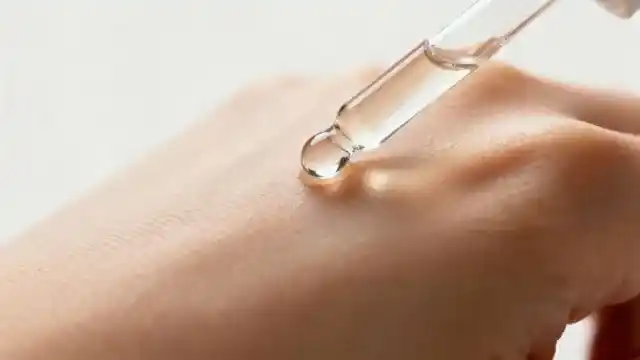
What Dilution Means in Essential Oil Use
In practical terms, dilution is the percentage of essential oil in the finished blend. A lower percentage means less essential oil relative to the carrier oil, while a higher percentage means a stronger blend.
For most routine skin use, moderate and beginner-friendly dilution levels are usually preferred. This allows the blend to be spread more evenly and keeps application more measured.
Why Dilution Matters for Skin
Dilution is one of the simplest ways to improve topical safety and comfort.
- Helps reduce the chance of irritation from concentrated oils
- Makes blends easier to massage over a larger area
- Creates more consistent, repeatable recipes
- Allows you to use fewer drops per blend
- Helps carrier oils contribute slip, feel, and skin comfort
Simple Dilution Guide for Beginners
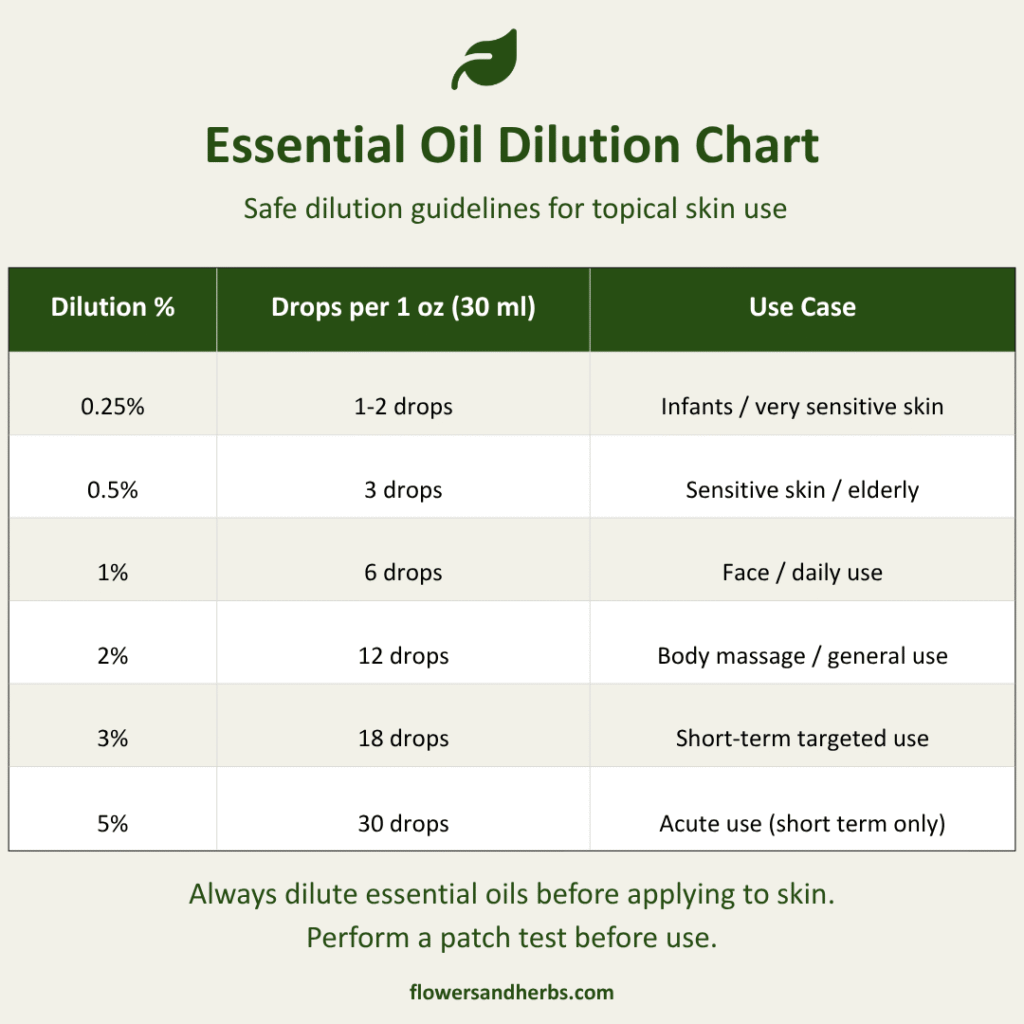
For U.S. readers, the examples in this post also make it easier to work with common bottle sizes, teaspoons, and fluid-ounce measurements when blending at home.
Many home users rely on a few practical dilution ranges rather than complicated calculations.
- 0.5% dilution – very light blends and extra-cautious use
- 1% dilution – a common beginner starting point for general body oils
- 2% dilution – often used for everyday adult topical blends
- 3% dilution – a stronger blend for limited situations and shorter-term use
A 1 fl oz (30 mL) bottle is a common home blending size, so many people use that as their reference point when learning.
Download this dilution chart for easy reference
Best Carrier Oils for Dilution
The carrier oil changes both the feel and the purpose of the finished blend.
- Jojoba oil – light, stable, and popular in facial or roller blends
- Sweet almond oil – smooth and widely used for body oils
- Fractionated coconut oil – lightweight and common in roller bottles
- Apricot kernel oil – soft-feeling and often chosen for sensitive blends
- Grapeseed oil – lighter texture, often used in massage formulas
What You Need
- A clean bottle or roller bottle
- Your chosen carrier oil
- Essential oil or blend
- A small funnel or steady hand for pouring
- A label with date and contents
Step-by-Step: How to Make a Diluted Blend
1. Choose the finished bottle size
A 10 mL roller, 1 oz (30 mL) bottle, or 2 oz (60 mL) bottle are common beginner sizes.
2. Decide on the dilution level
Pick a lighter or stronger ratio based on the purpose, body area, and how familiar you are with the oils.
3. Add essential oil drops first
Working with drops first makes small-batch blending easier.
4. Fill the rest with carrier oil
Top up slowly and leave a little room for the cap or roller fitment.
5. Cap and mix
Roll or gently invert the bottle to combine.
6. Label the blend
Write the date, oil names, and intended use so you can track it later.
When to Use a Lower or Higher Dilution
Lighter dilutions are often preferred for facial blends, frequent use, new oils, or people who are cautious with fragrance strength. Slightly stronger dilutions are more often reserved for adult body applications over small or limited areas.
Helpful Beginner Tip
If you are unsure, start lower. It is much easier to strengthen a blend later than to undo a formula that feels too strong on skin.
Final Thoughts
Dilution is not just a safety step. It is also a blending skill that makes essential oils more practical, more comfortable to use, and easier to fit into real home routines.
A lighter, moderate dilution is usually the easiest starting point for beginners because it keeps the blend more manageable and easier to test. Many people begin with simple body oil or roller bottle recipes rather than stronger spot treatments, especially when they are still learning how different oils feel on skin.
Water is not a substitute for a carrier oil in a topical blend. Essential oils and water do not mix evenly, so the oil can remain concentrated. A carrier oil helps distribute the essential oil through the blend and makes the finished product easier to apply across the skin.
Fractionated coconut oil and jojoba oil are both popular choices for roller bottles because they are light, easy to use, and work well in small containers. The best option depends on your preferred skin feel, the area of use, and whether you want a lighter or richer finish.
Many people prefer lighter dilutions for the face because facial skin can be more reactive and because products are often used more regularly. A lighter approach also makes it easier to assess how a blend feels without overwhelming the skin or the aroma profile.
That depends on the oils used, the carrier oil chosen, and how the blend is stored. A blend kept tightly closed, away from heat and light, usually holds up better than one left in warm bathrooms or sunny windows. Freshness of the original ingredients matters too.
Yes, that is still a smart step. Even when a blend is diluted, patch testing can help you see how your skin responds before broader use. This is especially helpful when trying a new essential oil, a new carrier oil, or a blend intended for more frequent application.