
How to Apply Essential Oils Topically (Safe Methods Explained)
Applying essential oils topically means using them on the skin in a diluted form, usually blended into a carrier oil, cream, lotion, balm, or roller bottle. For many beginners, topical use feels more practical than diffusion because it fits into body care routines more directly.
This guide explains how to apply essential oils topically in a measured, beginner-friendly way. It covers dilution, body area choice, carrier oils, and common application formats so readers can build safer habits from the beginning.
Rather than focusing on dramatic claims, this post centers on technique: how to apply a blend well, where to use it, and how to keep the experience comfortable and consistent.
What Topical Application Means
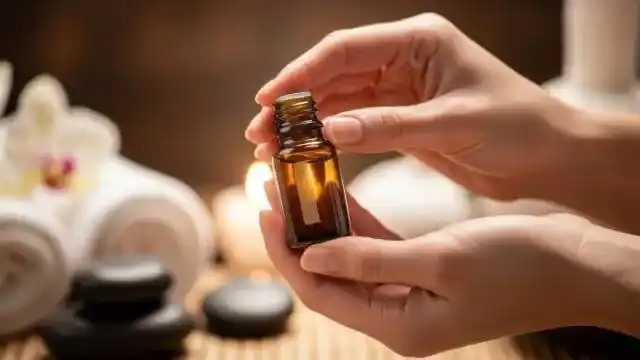
Topical use refers to applying a finished essential oil blend to the skin rather than diffusing it into the air. In most cases, that blend includes a carrier oil so the essential oil is more evenly distributed and easier to spread.
Common formats include roller blends, body oils, massage oils, salves, balms, and diluted spot applications.
Where Essential Oils Are Commonly Applied
Body area matters because not all skin feels or reacts the same way.
- Arms and legs often suit body oils and massage blends
- Shoulders, neck, and back are common areas for massage-style application
- Pulse-point style use is usually more limited and fragrance-focused
- Hands or feet may be used in targeted body-care routines
It is generally wise to avoid delicate areas and keep blends away from eyes and lips.
Best Carriers and Formats for Topical Use
- Roller bottle – convenient for small, portable blends
- Body oil – useful for larger-area application
- Cream or lotion – often chosen when a lighter finish is preferred
- Balm or salve – more occlusive, slower-moving format
- Massage blend – typically made with a smoother carrier oil
The format should suit the body area and how often you expect to use it.
Topical Safety Basics
- Dilute essential oils before routine skin use
- Patch test new blends
- Use fewer drops for facial or smaller-area products
- Be extra careful with stronger oils and citrus oils
- Stop using a blend if skin feels uncomfortable
What You Need
- A suitable carrier oil or unscented base
- Your chosen essential oil or blend
- A clean bottle, roller, jar, or balm tin
- A label with the date and contents
Step-by-Step: How to Apply a Topical Blend
1. Make the blend first
Prepare the essential oil in a properly diluted base instead of adding neat drops directly to skin.
2. Patch test
Try a small amount on a limited area before wider use.
3. Choose the body area
Use a method that matches the area, such as a roller for a small area or a body oil for broader application.
4. Apply lightly
A thin, even layer is usually enough.
5. Reassess before reapplying
Consider how the blend feels over time before using more.
When Topical Use Makes Sense
Topical application is often chosen when people want a more personal, skin-based use method rather than ambient room scent. It can also be easier to incorporate into massage oils, evening body oils, or targeted self-care routines.
A Practical Tip
Choose one format and master it. A simple 10 mL roller or 1 oz (30 mL) body oil is often easier to work with than several half-finished products at once.
Final Thoughts
Good topical use is mostly about preparation: the right dilution, the right carrier, and the right amount for the area. Once those pieces are in place, essential oil application becomes much simpler.
In most cases, yes. A carrier oil helps distribute the essential oil through the blend and makes skin application gentler and more controlled. It also improves spreadability, which is useful whether you are applying a roller blend, body oil, massage oil, or another diluted preparation.
It is wise to avoid the eyes, lips, and other delicate or highly sensitive areas. Many people also use extra care on the face and neck because those areas can be more reactive. Body area choice matters just as much as the oil itself when planning a topical blend.
A small roller bottle or a simple body oil is often the easiest place to start. Both formats make it easier to control dilution, apply evenly, and label clearly. They also help beginners avoid the common mistake of applying neat drops directly to the skin.
Some people do use essential oils in facial products, but lighter dilutions and greater caution are usually preferred. Facial skin can be more reactive, and strong or highly fragrant blends may feel too intense. Beginners often start with body-use blends before approaching facial products.
That is a smart habit, especially when using a new essential oil, a new carrier oil, or a product intended for repeated use. Patch testing gives you a chance to see how your skin responds on a small area before applying the blend more broadly or more often.
That depends on the blend, the area, and the reason you are using it, but it is usually better to reassess before applying more rather than automatically reapplying. Starting with modest amounts helps you understand how the blend feels over time and avoids overuse.