
How Essential Oils Are Extracted (Steam Distillation vs Cold Pressed)
Essential oil extraction is the process used to obtain concentrated aromatic material from a plant. The extraction method matters because it affects how the oil smells, how stable it is, and what type of plant material can be used.
Most essential oils are produced by steam distillation, while many citrus oils are obtained by cold pressing the peel. This guide explains both methods in beginner-friendly language so you can understand what the label means and why extraction is important when comparing oils.
Once you know how essential oils are extracted, it becomes much easier to understand why lemon is different from lavender, why some oils smell fresher than others, and why storage advice can vary from one oil to another.
Why Extraction Method Matters
Extraction is not just a manufacturing detail. It shapes the final material in ways beginners can often smell and experience right away.
Two bottles from two different plant parts or methods may behave differently in blends, diffusers, and storage. Understanding that helps you read essential oil descriptions more accurately.
Steam Distillation Explained
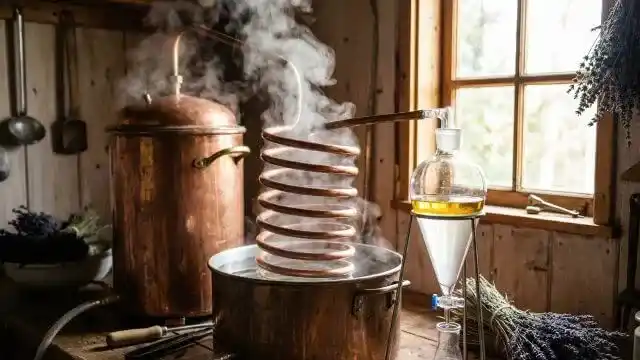
Steam distillation is the most common extraction method for essential oils. In simple terms, steam passes through plant material and helps release aromatic compounds. Those vapors are then cooled and separated.
- Common for leaves, flowers, wood, bark, roots, and resinous materials
- Used for oils such as lavender, peppermint, eucalyptus, rosemary, and tea tree
- Produces a concentrated aromatic oil separated from the water phase
What Cold Pressed Means
Cold pressing is most often associated with citrus peels. Instead of relying on steam, the aromatic material is mechanically expressed from the peel.
- Common for lemon, orange, grapefruit, lime, and bergamot
- Often smells especially bright, juicy, and peel-like
- May need extra attention during storage because freshness matters
This is one reason citrus oils are often described as lively and uplifting in aroma profiles.
Other Extraction Terms You May See
Some aromatic materials are produced using methods other than standard steam distillation or cold pressing.
- CO2 extracts – often used for richly aromatic materials and specialty perfumery ingredients
- Absolutes – common in perfumery for delicate floral materials
- Resinoids or extracts – used for certain deep, resinous materials
Why Labels Matter
If a product says distilled, steam distilled, cold pressed, or expressed, that tells you something meaningful about the material inside the bottle.
Step-by-Step: How to Read Extraction on a Label
1. Find the botanical and common name
This confirms the plant material being discussed.
2. Look for the extraction method
Terms like steam distilled, distilled, expressed, or cold pressed may appear on the label or product description.
3. Consider the plant part
Leaf, peel, wood, flower, and resin all give useful context.
4. Match expectations to the oil
A cold-pressed citrus oil will often smell different from a distilled wood or leaf oil.
5. Adjust storage habits accordingly
Some oils benefit from especially careful storage to protect freshness.
How Extraction Affects Use and Character
Extraction method influences aroma, texture, freshness profile, and how an oil performs in blends. A cold-pressed citrus may feel vivid and sparkling, while a distilled resin or wood can feel steadier and deeper.
Beginner Takeaway
You do not need to master industrial processing to use essential oils intelligently. You just need to recognize that extraction method is part of the oil’s identity.
Final Thoughts
Steam distillation and cold pressing are the two key methods most beginners should know. Once you understand those, reading essential oil descriptions becomes far more useful.
Most essential oils are made by steam distillation. This method is widely used for many leaves, flowers, woods, and herbs because it efficiently separates aromatic compounds from plant material. It is the most important extraction method for beginners to understand when reading labels and product descriptions.
Citrus oils are commonly obtained from the peel, where the aromatic material can be mechanically expressed. Cold pressing helps capture the fresh, peel-like character many people associate with lemon, orange, grapefruit, and bergamot. That distinctive brightness is part of what makes citrus oils feel different from many distilled oils.
Yes, it can. Extraction influences which aromatic compounds are captured and how the finished oil presents itself. That is one reason a cold-pressed citrus can smell vivid and juicy, while a distilled herb or wood oil may smell sharper, greener, drier, or more grounded.
Not exactly. Absolutes are aromatic extracts used especially in perfumery and are often produced differently from standard essential oils. They may be discussed alongside essential oils in fragrance contexts, but they are not simply another name for steam-distilled or cold-pressed essential oils.
Because it helps explain the material in the bottle. Knowing whether an oil is distilled or cold pressed gives you a better idea of its origin, aroma character, and sometimes its storage needs. It turns labels and product descriptions into useful information instead of background detail.
It can influence them. Some oils, especially fresh citrus types, are often treated with extra care because freshness and oxidation are practical concerns. Good storage matters for all essential oils, but understanding extraction helps you know why some oils may need especially careful handling.