
Essential Oils for Stress and Relaxation (Beginner Guide)
Essential oils for stress and relaxation are usually selected for aromas that feel softer, steadier, or emotionally settling rather than intensely sharp or stimulating. Popular choices often include lavender, bergamot, frankincense, clary sage, cedarwood, and sweet orange.
This guide explains which oils are commonly used for relaxation, how different aroma families influence the feel of a blend, and practical ways to use them in diffusers, room sprays, or properly diluted body oils.
For many home users, relaxation blends work best when they are simple, recognizable, and pleasant enough to use regularly rather than overly complex.
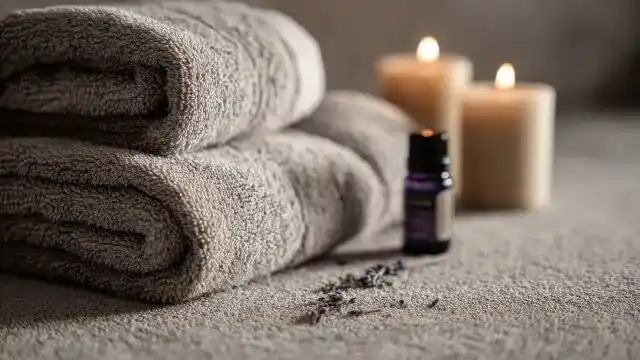
Best Essential Oils for Stress and Relaxation
- Lavender – soft, familiar, and widely used in calming blends
- Bergamot – bright but gentler than many sharper citrus oils
- Frankincense – resinous, steady, and grounding
- Cedarwood – warm, woody, and supportive in evening or unwind blends
- Clary sage – herbaceous and often used in softer mood blends
- Sweet orange – cheerful and approachable for everyday home use
How Relaxation Blends Usually Smell
Relaxation blends often feel rounded rather than aggressive. Many combine one comforting middle note with one grounding base note and, if needed, a lighter top note for lift.
- Floral notes can feel soft and familiar
- Woody notes often add stillness and depth
- Resinous notes can make a blend feel slower and steadier
- Gentle citrus notes can keep the blend from feeling too heavy
- Well-balanced blends are often easier to enjoy repeatedly
Simple Blend Ideas for Relaxation
- Lavender + bergamot – simple and beginner-friendly
- Lavender + cedarwood + sweet orange – balanced and cozy
- Frankincense + bergamot – clean with grounding depth
- Clary sage + lavender – soft and herbaceous
- Sweet orange + frankincense – warm and easy to diffuse
Best Ways to Use Relaxation Blends
- Diffusers: helpful for setting the atmosphere in a room
- Room sprays: useful for an evening reset or a calmer workspace
- Diluted body oils: practical for massage or post-shower routines
- Roller blends: portable and easy to keep simple
Match the Blend to the Moment
A daytime relaxation blend can be lighter and brighter, while an evening blend often benefits from woodier or more resinous support.
How to Build a Simple Relaxation Blend
1. Choose the setting. Decide if the blend is for day, evening, or bedtime.
2. Pick one lead oil. Lavender, bergamot, or frankincense are good starting points.
3. Add one supporting oil. Use cedarwood, sweet orange, or clary sage for character.
4. Keep it small. Test a few drops total before scaling up.
5. Diffuse or dilute properly. Use the blend according to the application method.
6. Refine based on scent preference. The best relaxing blend is one you genuinely want to use.
Final Tips for Everyday Use
Stress-relief blends are most useful when they are part of a repeatable routine. A consistent scent before work, after work, or before bed can feel more effective than constantly changing oils.
Final Thoughts
Essential oils for stress and relaxation are best approached as aromatic support for a calmer environment. Start with familiar, balanced oils and build blends that feel pleasant, simple, and easy to return to.
Lavender, bergamot, frankincense, cedarwood, clary sage, and sweet orange are among the oils commonly used in relaxation blends. The best choice depends on scent preference. Some people prefer soft floral aromas, while others respond better to woody, resinous, or gently citrusy profiles.
Common options include diffusing a blend, using a room spray, or applying a properly diluted topical blend. The easiest starting point for most beginners is a simple diffuser blend with two or three oils that feels calm and pleasant without being overpowering.
Lavender is one of the most popular options because it is widely recognized and blends well with many other oils. However, it is not the only useful choice. Bergamot, cedarwood, frankincense, and sweet orange are also frequently used depending on whether someone prefers floral, woody, or brighter aromas.
Many people do use diffusers regularly, but it helps to keep the aroma moderate and the routine simple. Rather than diffusing very strong blends for long periods, a lighter, well-balanced blend used intentionally can be more pleasant and easier to live with day after day.
Oils such as lavender, cedarwood, frankincense, Roman chamomile, and bergamot are often chosen for evening relaxation. They tend to smell softer or more grounded than sharper oils. A night blend usually benefits from reduced brightness and a more restful overall scent profile.
Essential oils should not be viewed as a cure for stress. They are better understood as one supportive tool for creating a calming environment or routine. Their role is aromatic and environmental rather than a replacement for broader stress-management habits, rest, or professional care when needed.