
Essential Oil Safety Guide: What You Need to Know Before Using Them
Essential oil safety is the foundation of responsible essential oil use. Because essential oils are highly concentrated plant extracts, they should be handled with more care than everyday household fragrances or herbal teas.
This guide covers the main safety basics beginners should understand, including dilution, topical use, diffuser use, storage, photosensitive oils, and special caution areas such as children, pregnancy, and ingestion.
For most home users, safe essential oil use comes down to a few consistent habits: use less, dilute properly, store well, and match the oil and method to the person and situation.
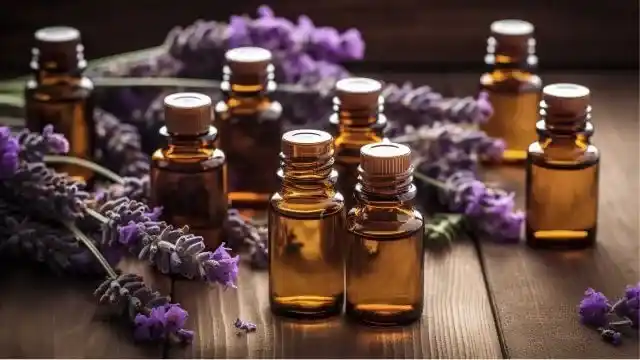
Why Essential Oil Safety Matters
Essential oils are potent concentrates, which means small amounts can have a big aromatic impact. That same concentration is why safe use matters. Treating essential oils as if they were harmless because they are plant-derived can lead to avoidable problems.
Safe essential oil use is not about fear. It is about understanding that concentration, method, age, skin sensitivity, and oil chemistry all influence whether a use pattern is appropriate.
Core Safety Rules Every Beginner Should Know
- Do not apply essential oils to skin without proper dilution unless the oil and situation have been carefully considered
- Use fewer drops than you think you need; stronger is not automatically better
- Store bottles tightly closed, away from heat, light, and children
- Know that some citrus oils may increase sun sensitivity when used on skin
- Be extra cautious with children, pregnancy, older adults, and sensitive skin
- Avoid casual internal use unless guided by a qualified professional
The Most Common Safety Topics
- Dilution: one of the most important beginner habits
- Topical use: essential oils should not be treated like regular body oils
- Diffusion: scent should be present but not overwhelming
- Storage: heat, light, and air can reduce stability over time
- Photosensitivity: certain citrus oils require extra caution before sun exposure
Who Needs Extra Caution?
- Children – not every oil or dilution is appropriate for younger users
- Pregnant individuals – some oils are commonly avoided as a precaution
- People with sensitive skin – lower dilutions and patch testing are often wise
- Pets – diffusion and surface contact may need more care depending on the species
- Older adults – gentler approaches may be preferable in some cases
Method Matters
An oil that seems fine in a diffuser is not automatically appropriate on skin, and an oil commonly used by adults may not be a good fit for children or pregnancy-related caution scenarios.
A Simple Safe-Use Routine
1. Decide the application method first. Diffuser, topical blend, or room spray each requires different thinking.
2. Check whether the oil is suitable for that use. Not all oils fit every method.
3. Dilute before topical use. Use an appropriate carrier oil and concentration.
4. Label blends clearly. Include ingredients and the date.
5. Store oils correctly. Keep them away from heat, light, and casual access.
6. Start simple. A few well-understood oils are usually better than a large collection used casually.
Final Thoughts on Safe Essential Oil Use
The safest essential oil routine is usually the simplest one. Use diluted blends, moderate diffusion, careful storage, and common sense about who the oils are for and how they are being used.
Final Thoughts
Essential oil safety is not a separate topic from aromatherapy. It is part of every blend, bottle, and routine. Beginners who build good safety habits early usually find essential oils easier, calmer, and more practical to use over time.
Proper dilution is one of the most important beginner safety habits, especially for topical use. Essential oils are concentrated and should not be treated like ordinary body oils. Safe use also includes proper storage, moderate diffusion, and extra caution for children, pregnancy, and sensitive individuals.
In most beginner situations, essential oils should be diluted before skin application. Some oils are more commonly used in spot applications than others, but general advice still favors caution, patch testing, and appropriate carrier oils. A diluted blend is usually the more practical and safer starting point.
Certain citrus oils can increase sensitivity to sunlight when applied to skin, especially in leave-on products. That is why oils such as some expressed citrus oils require added care before sun exposure. The risk depends on the specific oil, the amount used, and how the product is applied.
Not all essential oils are suitable for children, and age matters. Some oils commonly used by adults require extra caution or are commonly avoided for younger users. Child-friendly use calls for gentler oils, lighter exposure, careful dilution, and more conservative choices overall.
Essential oils can change over time, especially when exposed to heat, light, and air. Proper storage in tightly sealed bottles away from direct sun helps preserve them. Some oils, especially many citrus oils, may have a shorter useful life than denser oils such as certain woods or resins.
Casual essential oil ingestion is not considered a standard beginner practice. Internal use involves a different level of safety consideration and is not the same as diffusing or using properly diluted topical blends. For general home users, safer external methods are usually the better focus.