
Is it safe to Ingest Essential Oils?
Essential oil ingestion is one of the most misunderstood topics in aromatherapy. Because essential oils are highly concentrated plant extracts, internal use is not the same as drinking herbal tea, using culinary herbs, or diffusing a few drops in a room.
This guide explains why ingestion is controversial, why it requires a different level of safety consideration than topical or diffuser use, and why most beginners are better served by focusing on safer external methods.
For general home use in the U.S., the practical answer is usually simple: do not treat essential oil ingestion as a casual wellness habit or a beginner shortcut.
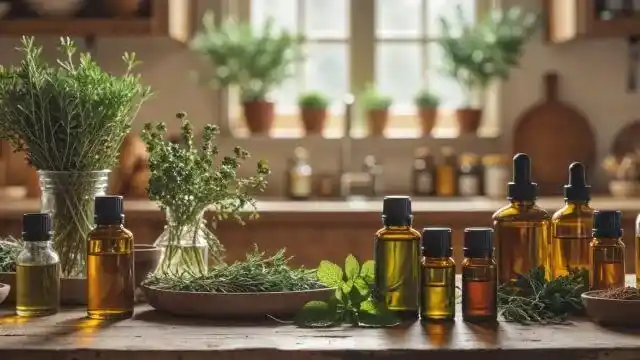
Why Ingesting Essential Oils Is Different
Internal use places essential oils into a completely different category of safety consideration. The concentration, chemistry, amount used, and individual health context all matter more than they do with casual aroma use.
That is why many responsible aromatherapy guides do not present ingestion as a routine beginner method. Diffusion and properly diluted topical use are usually treated as the more appropriate general-use starting points.
Why Internal Use Is Controversial
- Essential oils are extremely concentrated compared with culinary herbs or herbal infusions
- Not every oil that smells pleasant is appropriate for internal use
- Marketing language can make ingestion sound simpler than it is
- Individual health, medications, age, and formulation context all matter
- The same oil may be handled very differently by different practitioners and traditions
Common Misunderstandings About Essential Oil Ingestion
- Myth: If an oil is natural, it must be safe to ingest
- Myth: Food flavoring equals casual therapeutic internal use
- Myth: A small amount automatically means no risk
- Myth: Ingestion is stronger, so it must be better
- Reality: Internal use requires more caution, not less
Safer Alternatives for Everyday Home Use
- Diffuser blends for room aroma and atmosphere
- Properly diluted topical blends for external use where appropriate
- Room sprays for home fragrance and quick refresh
- Herbal teas or culinary herbs when the goal is food or beverage tradition rather than essential oil use
Essential Oils Are Not Herbal Teas
A lemon peel tea, mint tea, or culinary herb recipe is very different from ingesting the concentrated essential oil version of that plant.
A Better Beginner Approach
1. Start with external methods. Learn diffusion, dilution, and storage first.
2. Build knowledge before experimenting. Do not treat ingestion as an easy next step.
3. Read beyond marketing claims. Safety context matters more than product hype.
4. Use culinary herbs for food and drinks. That is often the more practical tradition-based option.
5. Keep children and pregnancy in mind. Internal use raises the level of caution further.
6. Focus on realistic home methods. Diffusers, room sprays, and diluted topical blends cover most beginner needs.
Final Thoughts on Ingesting Essential Oils
Beginners do not need internal use to benefit from essential oils as aromatic tools. In many cases, the simplest and safest path is to use them externally and keep food, drink, and herb traditions separate from concentrated essential oil use.
Final Thoughts
For general home users, essential oil ingestion is best viewed as a higher-risk topic rather than a normal beginner practice. Safer external methods usually provide a more practical and responsible place to start.
For general home users, essential oil ingestion is not considered a casual beginner practice. Internal use is more complex than diffusion or diluted topical use because concentration, oil chemistry, individual health factors, and dosage all matter. Safer external methods are usually the better focus for everyday use.
It is controversial because essential oils are highly concentrated and not equivalent to herbal teas, culinary herbs, or food flavorings in ordinary home use. Different practitioners also approach internal use differently, which can create confusion. That is one reason many beginner guides emphasize external use instead.
Food-grade language does not automatically mean casual internal use is appropriate in the way some online marketing suggests. Product labels and flavoring contexts do not remove the need for safety consideration. Internal use still requires much more caution than standard diffuser or diluted topical routines.
Adding essential oils to plain water is not a simple beginner safety solution. Essential oils do not mix evenly with water, and casual internal use is not the same as making an herbal infusion. For most people, safer external methods and traditional herbal beverages are more appropriate choices.
Beginners are usually better off learning diffusion, proper dilution for external use, storage, and basic blending first. These methods cover most normal home aromatherapy goals without moving into the more controversial and safety-sensitive area of internal essential oil use.
In general, herbal teas and culinary herb traditions are very different from consuming concentrated essential oils. A tea made from peppermint leaves or lemon peel is not the same as ingesting the essential oil version of that plant. That distinction is important when thinking about safe, realistic home use.