
Ivy (Hedera helix) is a plant belonging to the Araliaceae family. It is poisonous and should not be used in any preparations.
Looking for a specific herb?
Browse the full Herbs A–Z directory →Ivy (Hedera helix) is a plant belonging to the Araliaceae family. It is poisonous and should not be used in any preparations.
Ivy has traditionally been used to support:
Ivy has appeared in European herbal traditions for centuries and was historically included in various botanical preparations. The plant was also symbolically associated with endurance and evergreen vitality.
Ivy has long been regarded as a plant requiring caution.
Ivy can be prepared in several traditional ways:
Ivy leaves have historically been simmered to prepare strong herbal decoctions.
Prepared ivy infusions may be used in traditional herbal compresses.
Leaves may be extracted in alcohol to produce concentrated botanical preparations.
Ivy preparations have historically been used in topical botanical washes.
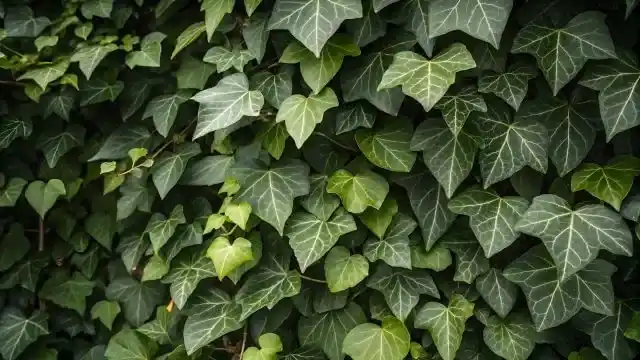
Ivy is an evergreen climbing vine known for its glossy leaves and vigorous growth habit. It can climb walls, trees, and structures using aerial roots.
Ivy spreads rapidly and may cover large surfaces if not controlled, which is why it is sometimes regarded as an invasive landscape plant.
Ivy has traditionally been referenced in:
Historically, ivy appeared in European herbal traditions, but its use was often limited and required careful preparation. It has not generally been considered a common home-use herb and is typically discussed with caution due to its naturally occurring compounds.
Ivy (Hedera helix) is a plant belonging to the Araliaceae family. It is poisonous and should not be used in any preparations.
Ivy has traditionally been used to support:
Ivy has appeared in European herbal traditions for centuries and was historically included in various botanical preparations. The plant was also symbolically associated with endurance and evergreen vitality.
Ivy has long been regarded as a plant requiring caution.
Ivy can be prepared in several traditional ways:
Ivy leaves have historically been simmered to prepare strong herbal decoctions.
Prepared ivy infusions may be used in traditional herbal compresses.
Leaves may be extracted in alcohol to produce concentrated botanical preparations.
Ivy preparations have historically been used in topical botanical washes.
Ivy is an evergreen climbing vine known for its glossy leaves and vigorous growth habit. It can climb walls, trees, and structures using aerial roots.
Ivy spreads rapidly and may cover large surfaces if not controlled, which is why it is sometimes regarded as an invasive landscape plant.
Ivy has traditionally been referenced in:
Historically, ivy appeared in European herbal traditions, but its use was often limited and required careful preparation. It has not generally been considered a common home-use herb and is typically discussed with caution due to its naturally occurring compounds.
No – Ivy is poisonous and should not be used for any internal or external preparations
About Us
Organic Goodness offers the Flowers & Herbs website as an educational resource covering medicinal herbs, essential oils, botanical traditions and natural living.
Browse
Links
The information on this website is for educational purposes only and is not intended as medical advice. Always consult a qualified healthcare professional before using herbs, supplements, or natural products.
