
Essential Oils
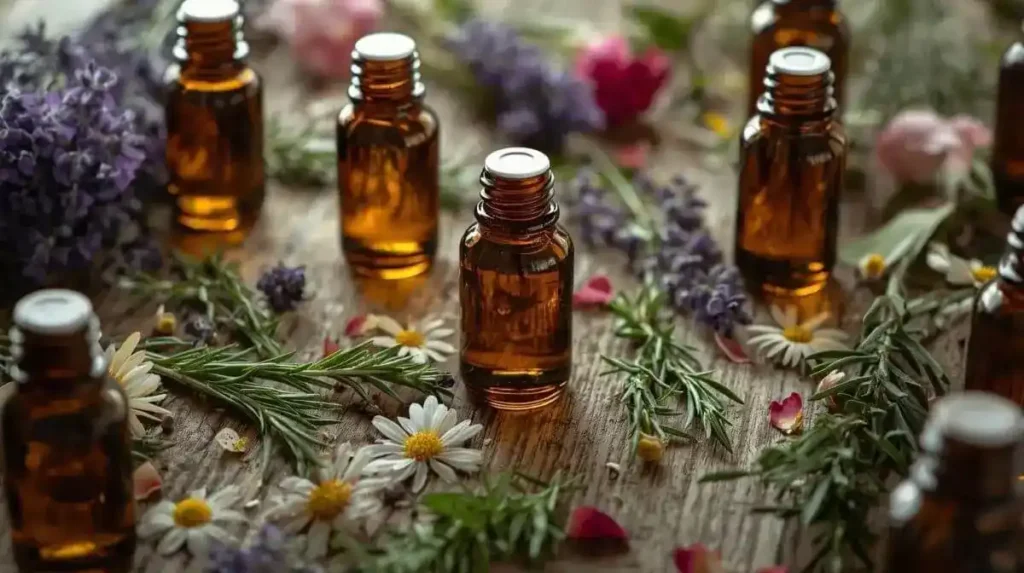
Essential oils are highly concentrated aromatic extracts obtained from plants. They capture the natural fragrance and many of the characteristic compounds found in flowers, leaves, bark, roots, seeds, and resins. For centuries, essential oils have been valued in traditional practices for their distinctive aromas and their role in herbal preparations, skincare, and wellbeing routines.
Today, essential oils are commonly used in aromatherapy, natural perfumery, skincare, and home remedies. Each oil has its own unique scent profile and traditional uses, ranging from calming floral oils to refreshing citrus oils and grounding woody resins.
On this page you will find a growing collection of essential oils, each with detailed information about their botanical source, traditional uses, aromatic characteristics, and common preparation or application methods.
What Are Essential Oils?
Essential oils are typically extracted through steam distillation, though some oils are produced using other methods such as cold pressing or solvent extraction. The resulting oil contains volatile aromatic compounds that give the plant its characteristic fragrance.
Because essential oils are highly concentrated, they are usually used in small amounts and are often diluted in carrier oils for topical use. Many essential oils are also used in diffusers to disperse their aroma into the air.
Different parts of a plant may produce very different oils. For example:
- Lavender oil is distilled from the flowers
- Peppermint oil is distilled from the leaves
- Frankincense oil comes from tree resin
- Sweet orange oil is cold-pressed from the fruit peel
These differences contribute to the wide variety of aromas and traditional uses found across essential oils.
Traditional & Common Uses
Essential oils have long been used in traditional herbal practices and natural wellness routines. Depending on the plant, essential oils are commonly associated with:
- Aromatherapy and relaxation
- Supporting restful sleep
- Freshening indoor spaces
- Natural skincare preparations
- Massage and topical blends
- Bath and body products
- Natural perfumes and fragrances
Many herbal traditions combine essential oils with herbs, hydrosols, and infused oils to create balms, salves, lotions, and aromatic preparations.
Essential Oils A–Z
The essential oils listed below provide detailed information about each plant extract, including botanical background, aroma profile, traditional uses, and common ways the oil is used in natural preparations.
As the Flowers & Herbs collection grows, this section will expand to include a wide range of essential oils from around the world.
Safety Note
Essential oils are very concentrated plant extracts and should be used carefully.
- Most essential oils should be diluted before applying to the skin.
- Some oils may cause irritation or sensitivity in certain individuals.
- Always perform a patch test when trying a new oil topically.
- Pregnant individuals, children, and those with medical conditions should consult a qualified professional before using essential oils.
Essential oils are intended for educational and traditional reference purposes on this site and are not a substitute for professional medical advice.