Calendula (Calendula officinalis)
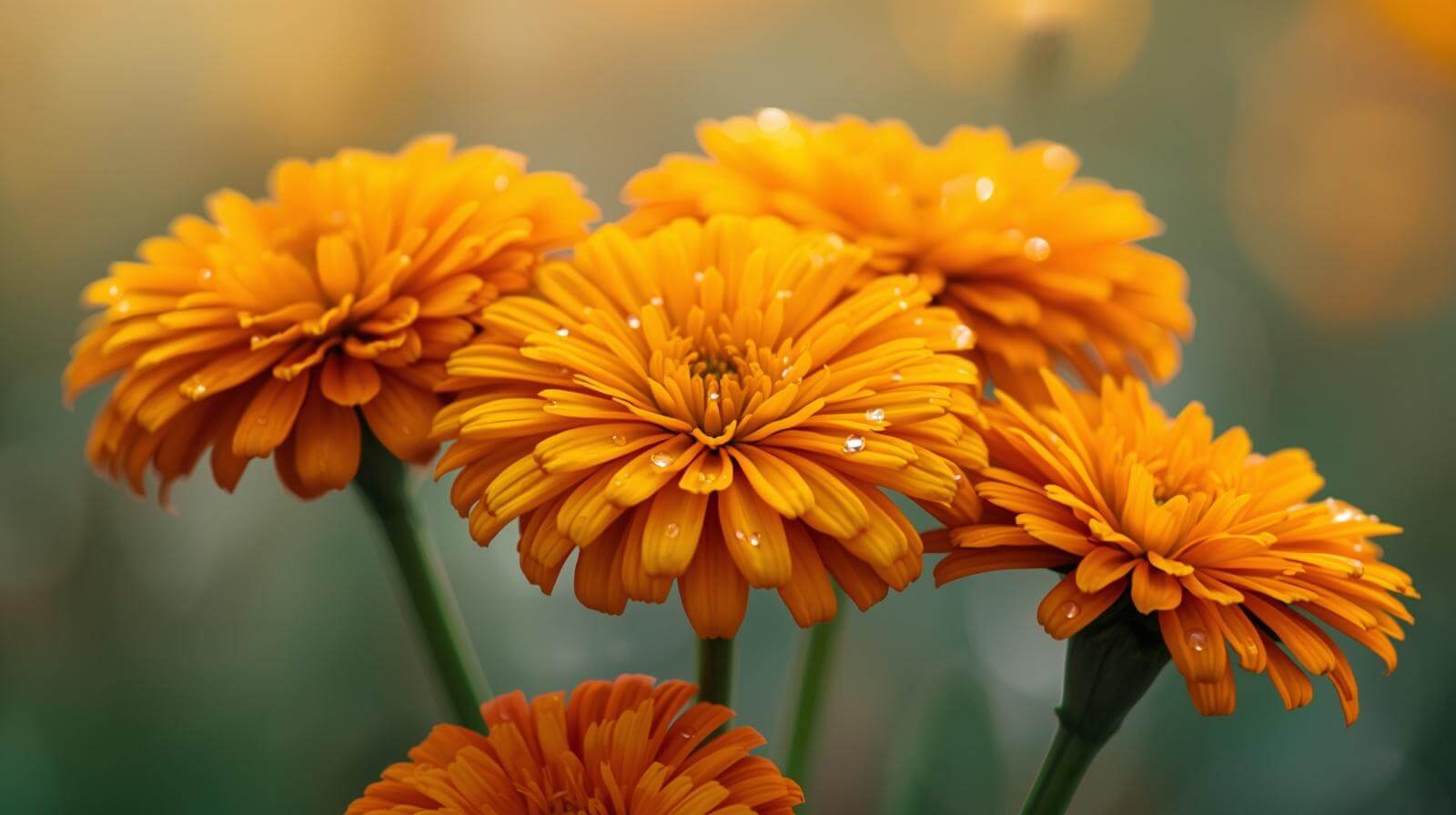
Calendula officinalis, commonly known as calendula or pot marigold, is a bright orange and yellow flowering plant traditionally used in herbal medicine for skin support and gentle topical care. Native to the Mediterranean region and now widely cultivated around the world, calendula has been valued for centuries in European folk traditions and early American herbal practices.
The resin-rich petals are most commonly infused into oils, creams, and salves. Calendula is also occasionally prepared as a mild tea and used in small culinary applications. Today, it remains one of the most popular herbs in natural skincare formulations.
Botanical Overview
- Botanical name: Calendula officinalis
- Family: Asteraceae (daisy family)
- Plant type: Annual flowering herb
- Native region: Mediterranean
- Common names: Pot marigold, English marigold
Calendula produces bright composite flowers that bloom from late spring through fall. The petals are the primary part used in herbal preparations.
Traditional & Common Uses
Calendula has traditionally been used to support:
- Skin comfort and appearance
- Minor skin irritation care
- Dry or sensitive skin support
- Gentle wound cleansing (topical applications)
- Mild digestive support when prepared as tea
In historical European herbalism, calendula was often used externally in poultices and infused oils. Modern herbalists frequently incorporate calendula into balms, salves, creams, and facial preparations.
Preparation Methods
Calendula can be prepared in several traditional ways:
🌿 Infused Oil
Dried petals are infused in a carrier oil (such as olive or sunflower oil) over several weeks. This infused oil is commonly used in salves, balms, and lotions.
🌿 Salve or Balm
The infused oil is combined with beeswax or other thickeners to create a topical preparation.
🌿 Tea (Infusion)
Dried petals may be steeped in hot water to create a mild herbal infusion.
🌿 Tincture
Alcohol extracts may be prepared for concentrated use, though calendula is most commonly used externally.
Safety Considerations
Calendula is generally considered gentle when used appropriately.
However:
- Individuals with allergies to plants in the Asteraceae family (such as ragweed, chamomile, or daisies) should use caution.
- Pregnant individuals should consult a qualified healthcare professional before internal use.
- Always perform a patch test before applying new topical herbal preparations.
This information is provided for educational purposes only and is not medical advice.
Growing Calendula
Calendula is easy to grow in home gardens and thrives in full sun with well-drained soil.
- Sun: Full sun to partial shade
- Soil: Moderately fertile, well-drained
- Bloom season: Spring through fall
- Harvest: Flowers are harvested when fully open
Regular harvesting encourages continued blooming throughout the growing season.