Chamomile (Matricaria chamomilla)
Matricaria chamomilla, commonly known as German chamomile, is a fragrant flowering herb traditionally used to support relaxation, digestive comfort, and gentle skin care. Native to Europe and Western Asia, chamomile has been widely cultivated for centuries and remains one of the most recognized herbal teas in the world.
The small daisy-like flowers are the primary medicinal part of the plant. Chamomile is most often prepared as a tea, but it is also used in tinctures, infused oils, and topical preparations. Its mild nature and pleasant flavor make it one of the most commonly used herbs in traditional Western herbalism.
Botanical Overview
- Botanical name: Matricaria chamomilla
- Family: Asteraceae (daisy family)
- Plant type: Annual flowering herb
- Native region: Europe and Western Asia
- Common names: German chamomile, wild chamomile
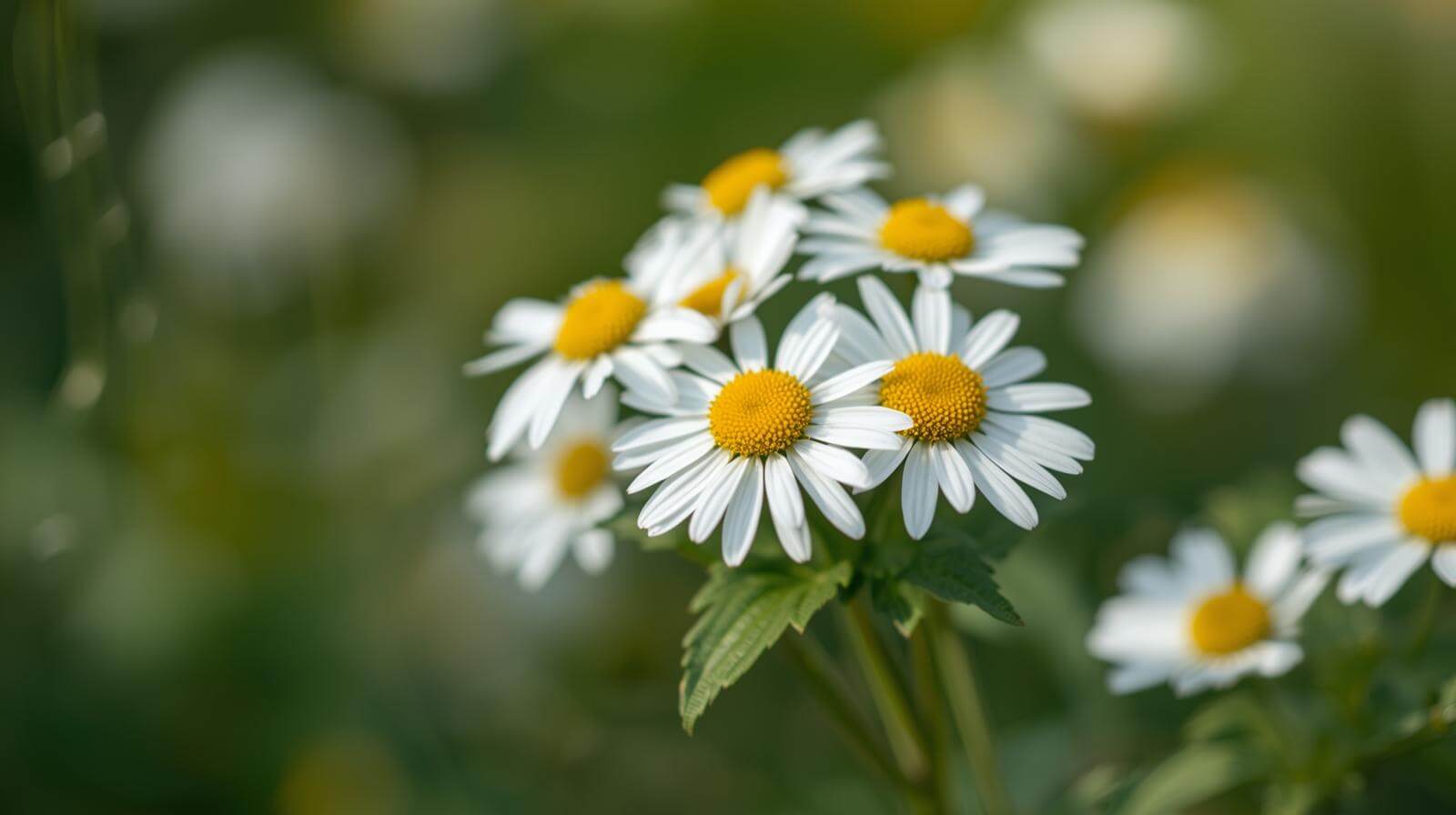
Chamomile produces small white petals with a bright yellow cone-shaped center. The flowers are harvested when fully open and dried for use in herbal preparations.
Traditional & Common Uses
Chamomile has traditionally been used to support:
- Relaxation and calmness
- Digestive comfort
- Occasional nervous tension
- Gentle skin soothing (topical use)
- Mild bedtime support
In European folk medicine, chamomile tea was commonly used in the evening to promote a sense of calm. It has also been applied externally in compresses and infused oils for skin comfort.
Preparation Methods
Chamomile can be prepared in several traditional ways:
🌿 Tea (Infusion)
Dried chamomile flowers are steeped in hot water for 5–10 minutes. This is the most common method of use.
🌿 Tincture
An alcohol-based extract made from fresh or dried flowers for more concentrated use.
🌿 Infused Oil
Flowers are infused in a carrier oil for use in balms and topical preparations.
🌿 Compress
A cooled chamomile infusion may be applied externally using a clean cloth.
Safety Considerations
Chamomile is generally considered gentle when used appropriately.
However:
- Individuals allergic to plants in the Asteraceae family (such as ragweed or daisies) should use caution.
- Those taking medications or who are pregnant should consult a qualified healthcare professional before regular internal use.
- Discontinue use if irritation occurs.
This information is provided for educational purposes only and is not medical advice.
Growing Chamomile
Chamomile is easy to grow and thrives in sunny garden beds with well-drained soil.
- Sun: Full sun
- Soil: Well-drained, moderately fertile
- Bloom season: Late spring through summer
- Harvest: Flowers are harvested when fully open
Regular harvesting encourages continued blooming throughout the season.